Studio: Universal Pictures/Marvel Studios Screenwriter: Zak Penn
Cast: Edward Norton, Liv Tyler, William Hurt, Tim Roth
Explosions. Car throwing. Jumping from choppers without a shoot. Destroying a part of New York. Mass destruction and collateral damage. People running and screaming in the streets. Yep, it must be a Marvel movie!
The Incredible Hulk is the fifth MCU film if you’re watching in logical viewing order. And the second film, in general, to be released. This film starts with snippets of images to convey information and actions to progress the story while the intro credits run. It spends zero time showing you how Bruce Banner (Norton) ends up as ‘The Hulk,’ and it’s better for it. There are plenty of other places in the film that show and tell what gamma radiation/poisoning is and what it does. These snippets are gritty, bloody, and convey a heavy scientific and militaristic tone. This film predates Disney’s acquisition of Marvel.
Marvel Studios and Universal Pictures Officail Trailer for ‘The Incredible Hulk’ via YouTube
Even for a Marvel film, The Incredible Hulk has a darker, more sinister feel to it. While there is plenty of violence in any of the MCU films to date, this movie has the unfortunate use of humans and regular weapons. These two factors set it apart from the other MCU characters and their stories because there are no aliens or futuristic technology to act as a visual boundary. The Hulk and his foe aside.
Bruce Banner is a scientist who has an accident in a laboratory experiment, which results in him morphing into a gigantic, green mutation known as the Hulk. When he’s calm, he turns back into Bruce. General Ross (Hurt) always wanted to use Banner’s work and weaponize it. When Banner changed, General Ross felt Bruce was government property to be experimented on and exploited. So, Bruce fled. One of Bruce’s scientific collaborators was Dr. Betty Ross (Tyler), Bruces’s love interest and General Ross’s daughter.
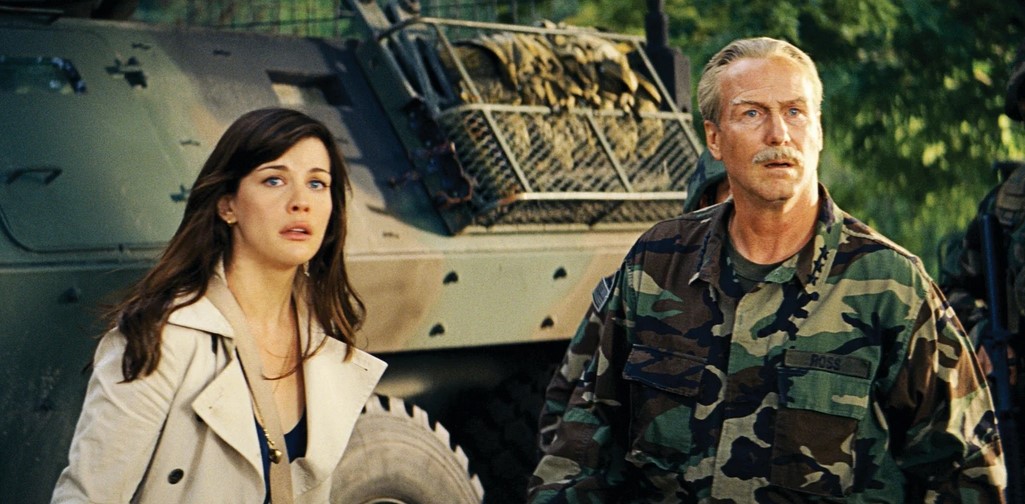
Liv Tyler and William Hurt in Marvel Studios ‘The Incredible Hulk’ Imgae Credit: Marvel Studios/Universal Pictures via Geekfeed.com
General Ross seeks out where Bruce is hiding for years. Given the plot so far, it wouldn’t be much of a story if the general didn’t locate him at some point. At this junction, the general enlists the help of Emil Blonsky (Roth) to help track and capture Banner. After seeing the Hulk up close, Blonsky wants to be like the Hulk and works towards that goal. Because of this choice, Blonsky ends up the primary foe of the film over General Ross.
The premise overall isn’t flawed; it’s acted well by everyone. Yet…the pace is what trips this film up. It transitions well from scene to scene so that the audience understands the flow of time and such. The problem is the movie relies too much on its action sequences and explosions. Some of which are genuinely unbelievable (that’s not a compliment). Without them, the story would flop around like a fish out of water. There is lots of destruction and violence with an origin story like the Hulks or most stories about him. It’s difficult to tell such an origin story without it. And that’s the root of the problem. The Hulk shouldn’t have his own standalone film. It’s simple enough to convey in other ways and should have been.
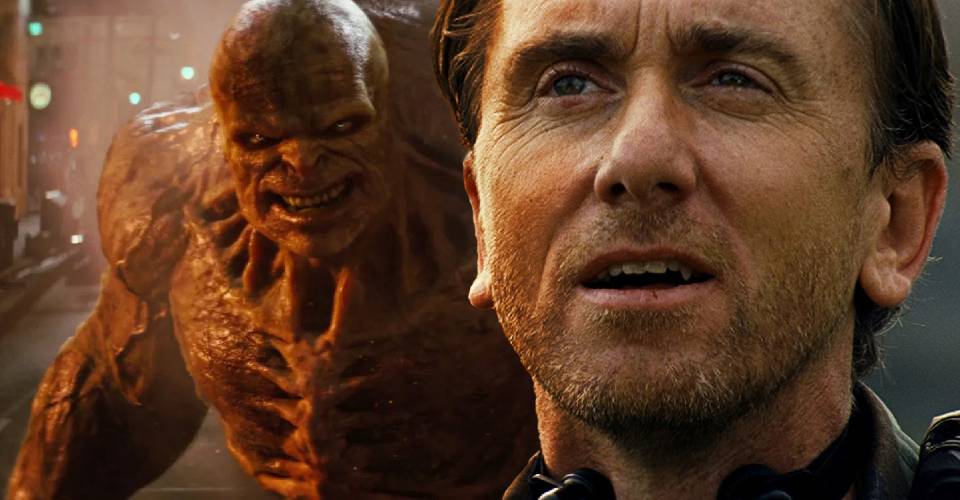
Tim Roth in ‘The Incredible Hulk’ Image Credit: Marvel Studios/Universal Pictures via Screenrant.com
This film does show the Hulk doing his ground stomp, makes boxing gloves from cars, performing a thunderclap, and yelling his iconic catchphrase. All these things are utilized and absolutely belong. It’s not enough to make this film stand out. Its failure to captivate is in the limited complexity or nuances that Bruce/Hulk has as an origin story. It’s pretty cut and dry.
While the events depicted in this film are referenced later in the MCU, General Ross (Hurt) is the only actor to ever be seen again. The others are never shown or are recast altogether. There are nods to S.H.I.E.L.D.’s existence in the movie. Still, they come across as confusing afterthoughts that are meaningless in this film. To that end, the only real thing that connects this film to the MCU is in the last minute of the film, where Tony Stark makes an appearance. If it were not for that, this film couldn’t even be considered a part of the MCU.
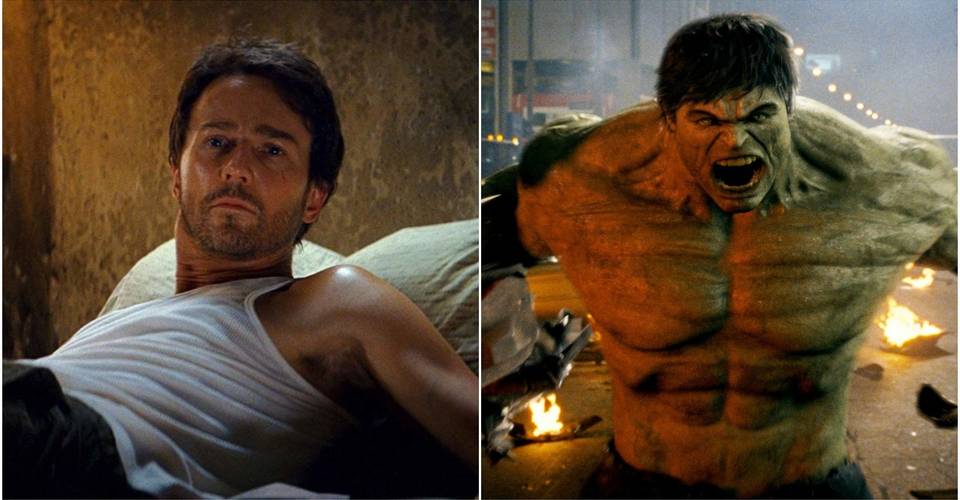
Edward Norton in ‘The Incredible Hulk’ Image Credit: Marvel Studios/Universal Pictures via CBR.com
More than enough comments happen in future films, allowing the audience to understand the Hulk/Bruce Banner’s situation. It’s because of this fact that this movie is totally one you could skip seeing. Keep this off your watchlist and move on to whatever’s next on your list.
I’ll need to postpone today’s post as well, and for the next week. This allows me time to get home and catch up so I get on schedule again and have a buffer built up again. I’m also still waiting for WP to fix the glitches that have been thwarting my efforts as well.
Due to some WP glitches and travel today’s post will be postponed. I’m bummed and hope you’re not too much. I’ll make it up to all you wonderful readers.
Studio: Disney Screenwriters: Dana Fox, Tony McNamara, Aline Brosh McKenna
Based on: Novel One Hundred and One Dalmatians by Dodie Smith
Cast: Emma Stone, Emma Thompson, Joel Fry, Paul Walter Hauser, Mark Strong
Once upon a time, there was a land where the first Walt-Disney movies were created. Where women fell in love at first sight or continually needed rescuing by a man. Where magic was mostly evil, and villains were bad, no reason why.
Eventually, after many, many, many years, the rulers of this land changed and remodeled the great castle of the land. This land came to be known simply as Disney. Women were no longer plot devices forced into marriages, kidnapped, poisoned, or cursed. A place where all magic isn’t evil and women are empowered. Classic stories are reimagined here, and so are the villains. Now, they, too, have backstories, depth.
Disney’s Cruella Official Trailer via YouTube
Disney’s latest reinvention is the villain from the 1961 cartoon movie One Hundred and One Dalmatians, Cruella DeVil. Initially, she was an animated, chain-smoking, anorexic, verbally abusive, fur-wearing, puppy stealing, murderous maniac. Yes, the original cartoon was a children’s movie. There was a live-action film of the same name in the mid-90s… absolutely worth avoiding.
So, how do you redeem such a vile creation? You split her traits into two people and go from there.
Cruella isn’t about chasing down dogs, far from it. Though a handful is in the film, that part of the original has been stripped away. This retelling is sassy, edgy, and a tad dark. It was made with more mature audiences in mind.
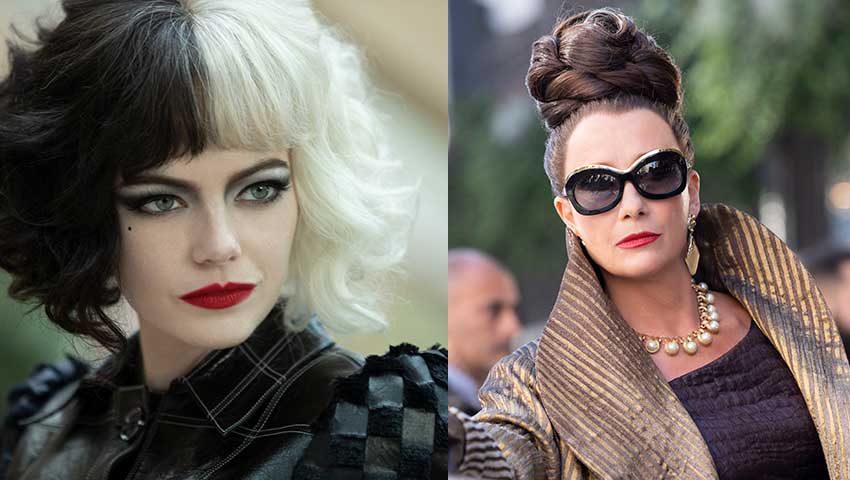
Emma Stone and Emma Thompson in Disney’s ‘Cruella’ Image Credit: Disney
Emma Stone plays the iconic, titular role of Cruella. The audience is introduced to her as a child, briefly. That peek into her past sets up her motivations and the overall tone of the film to come. Cruella is a nickname; her real name is Estella. Estella tries to stuff a part of herself (Cruella) away into a metaphorical box. It’s evident from the film’s title that it doesn’t work out. It’s why that doesn’t work that makes for a compelling journey into this character.
Cruella’s depiction by Stone is absolutely believable. Her natural ability to exude snark while acting a tad mad and delivering salty lines, all while seemingly enjoying herself, is bang on. It reflects the original in a way that isn’t based on all the previous character flaws. Stone’s Cruella laugh is even on point.
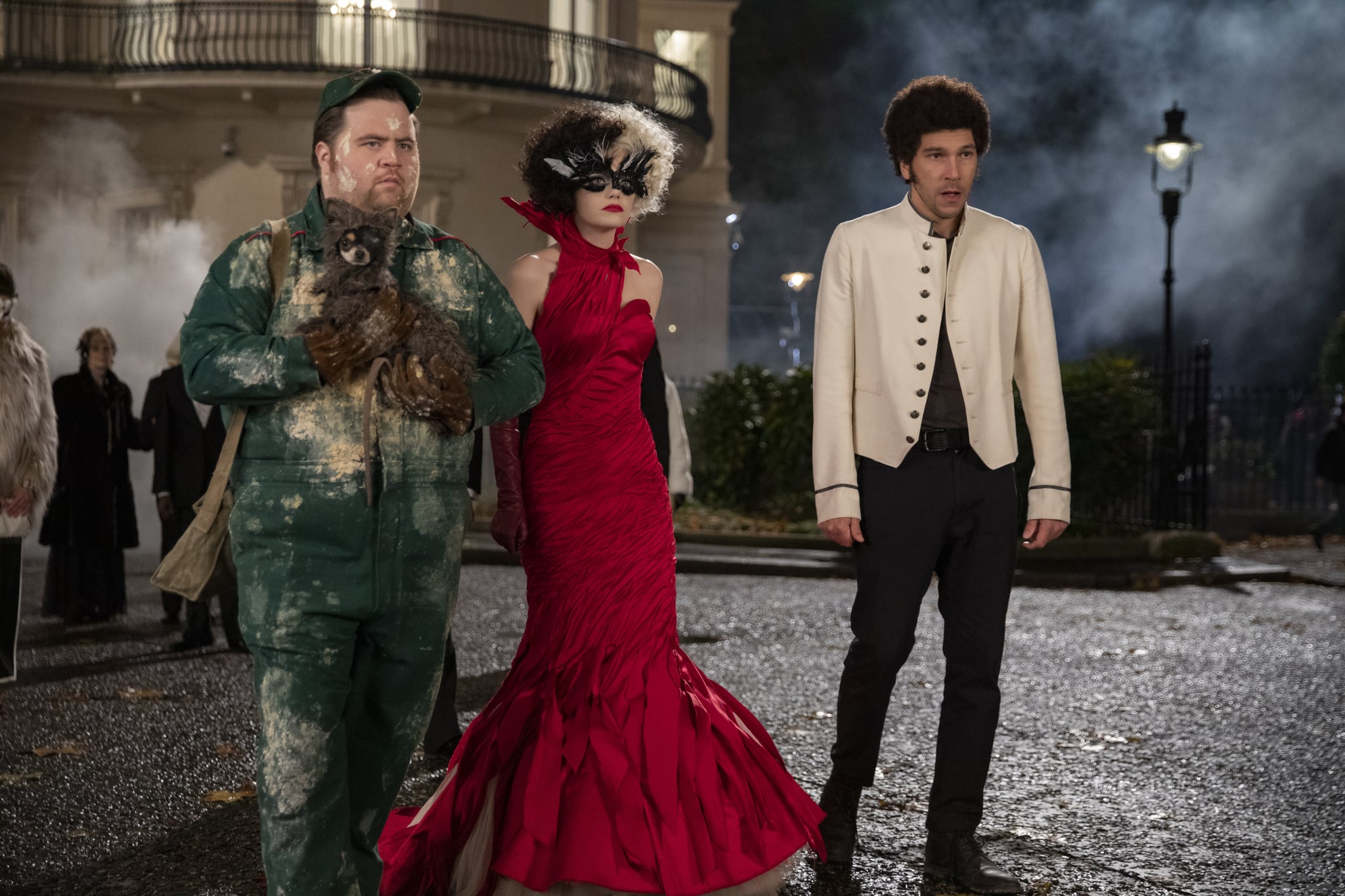
All Estella wants is to work in fashion, to design. With the help of her friends Horace (Hauser) and Jasper (Fry), she finds an in. She catches the attention of fashion legend, The Baroness (Thompson). Dreams do sometimes come true! Or, maybe not. Emma Thompson artfully depicts herself as the “it” lady of London. She makes Miranda Priestly (Meryl Streep) from The Devil Wears Prada look like a street performer. In fact, both Emma’s feed off one another so well in their shared scenes it’s difficult to determine who is better.
Paul Walter Hauser, Emma Stone, & Joel Fry in ‘Cruella’ Image Credit: Disney
The pace of the film is relatively good. Unfortunately, it gets bogged down about seventy-five percent of the way through, but it’s not for long before it picks up again.
This film establishes who Cruella is and why. From there, Disney sets up what she could become in a sequel or two. They could choose to keep her “brilliant, bad, and a little mad” (as a tagline goes), letting her embrace villainy. Or something else. Honestly, Emma Stone’s performance is too fabulous to go good. This Cruella doesn’t need to be on the same path as the animated one to wreak havoc. Nor should she. By remodeling this character, it ensures her original toxic demeanor and subliminal approval of killing animals for sport is never again seen as acceptable.
Cruella tells a story that’s not a remake and is better for it.
This film is absolutely worth putting on your watchlist and seeing in theaters.
Studio: Universal Pictures Screenwriter: Stephen Sommers
Cast: Brendan Fraser, Rachel Weisz, Arnold Vosloo, Oded Fehr, John Hannah, Patricia Velásquez
Movies often hold up a pair of their characters, in the most trying of circumstances, and get them to the point of asking, ‘Is our love worth dying for?’ Well, that setup applies to stories in general, but let’s stick with cinema here. In Stephen Sommers The Mummy, that is the introductory sequence. The actions of High Priest Imhotep(Vosloo) and his love, Anck Su Namun (Velásquez), set a solid foundation for the plot. Less than five minutes in, and you’re hooked.
Universal Pictures trailer for ‘The Mummy’ via YouTube channel The Trailer Guy
The Mummy has a strong plot and story about, well, a mummy who won’t stay dead and aims to bring his lost loves soul back from the underworld. To that end, there is action, mystery, light comedic touches, and suspense. It’s not a horror film, though kids 10-12 may find certain scenes momentarily graphic (it’s a movie about a mummy and not the bandaged groaning kind).
American Rick O’Connell (Fraser) is a French Legionnaire who is wrangled into taking Evelyn Carnahan (Weisz) and her brother Johnathan (Hannah) to a lost Egyptian city. A city guarded by the Medjai, decedents of the pharaoh’s guards, led by Ardeth Bay (Fehr). The trio has a map to this fabled city, and they’re not the only ones searching for it. Evelyn wants to prove herself to her fellow scholars; everyone else is in it for treasure.
This is the project that introduced me to Arnold Vosloo, Oded Fehr, and Rachel Weisz. Despite his small role in this film, Fehr displayed a believable presence and talent as Ardeth.
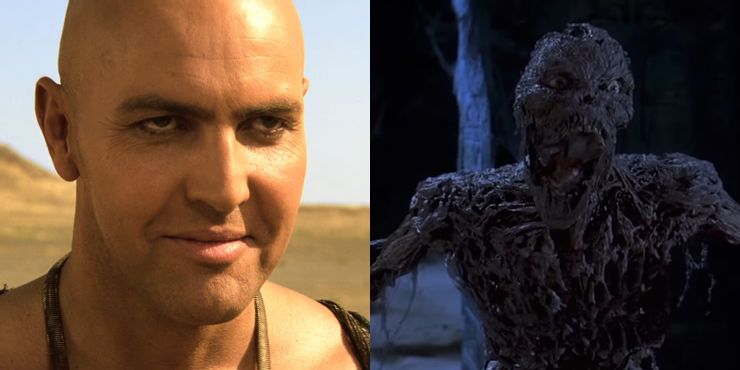
Arnold Vosloo as Imhotep/Mummy in Universal Pictures ‘The Mummy’ via Screenrant
Vosloo’s portrayal as Imhotep/The Mummy is fantastic! He has very few lines and none in English (there are subtitles), so his role is mostly hitting his mark. That is, being where he needs to be at the right time. Special effects took a giant leap forward in 1999 after this film came out. So props to Vosloo for pretending to be all that’s required of an actor that will later become a gooey mummy who unhinges his jaw in post-production.
The Mummy is the only film that I like with Brendan Fraser in it. His character isn’t a tomb raider or archeologist and yet comes off like a watered-down Indian Jones. Done poorly, it could have ruined the movie, yet it works. The same can be said for Weisz’s character, Evelyn.
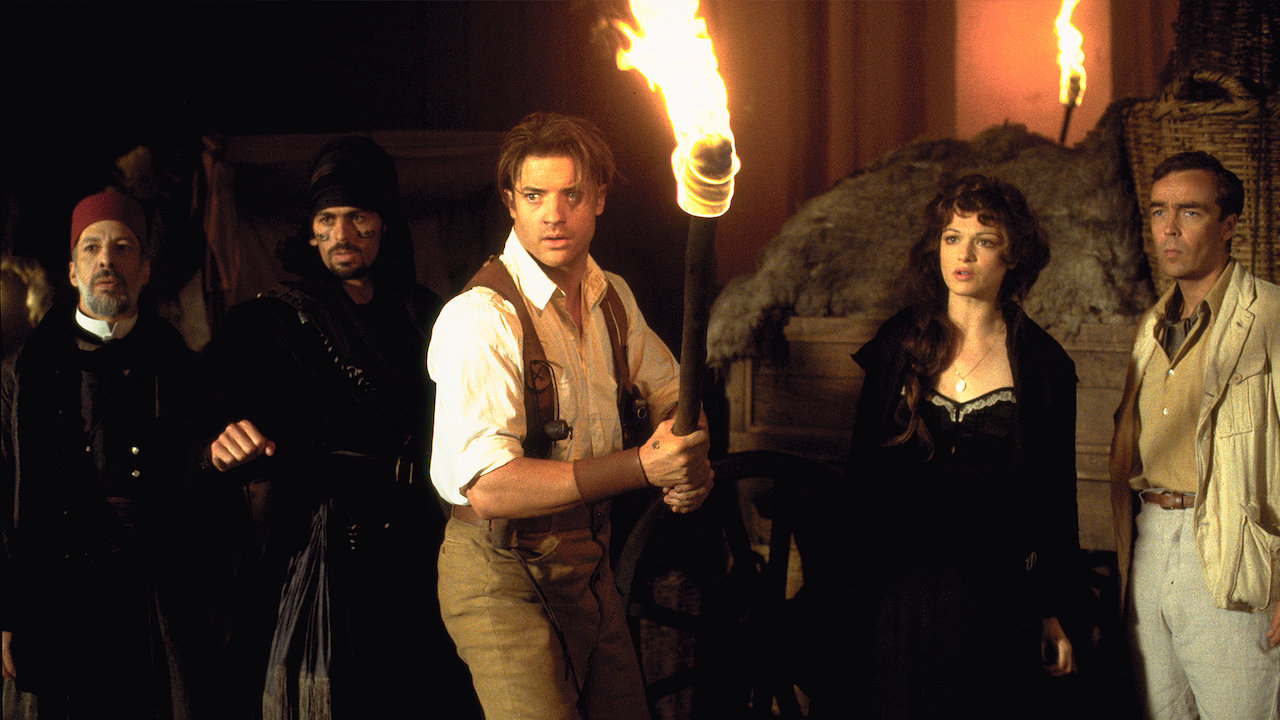
Erick Avari, Oded Fehr, Brendan Fraser, Rachel Weisz, John Hannah in Universal Pictures ‘The Mummy’ via Netflix
Evelyn is a bookworm. A librarian in a museum. She scurries off on an adventure with no experience and no team. Rachel Weisz is a wonderfully talented actress, and she takes this character and makes her likable. Weisz explains things to the novice characters, as an actual museum worker might. Therefore Evelyn’s lines in many places come off as natural instead of condescending. Weisz depicts her in a way that doesn’t have me groaning at the glaring, unbelievably of the whole situation.
As moviegoers, we expect movies to be logical enough that we can see it happening or working out. Perhaps, even so, we could picture ourselves as specific characters. The Mummy doesn’t have all the logical bits to fill in the gaps, but it’s okay. It’s a lasting example of what movies were designed to do, entertain and distract.
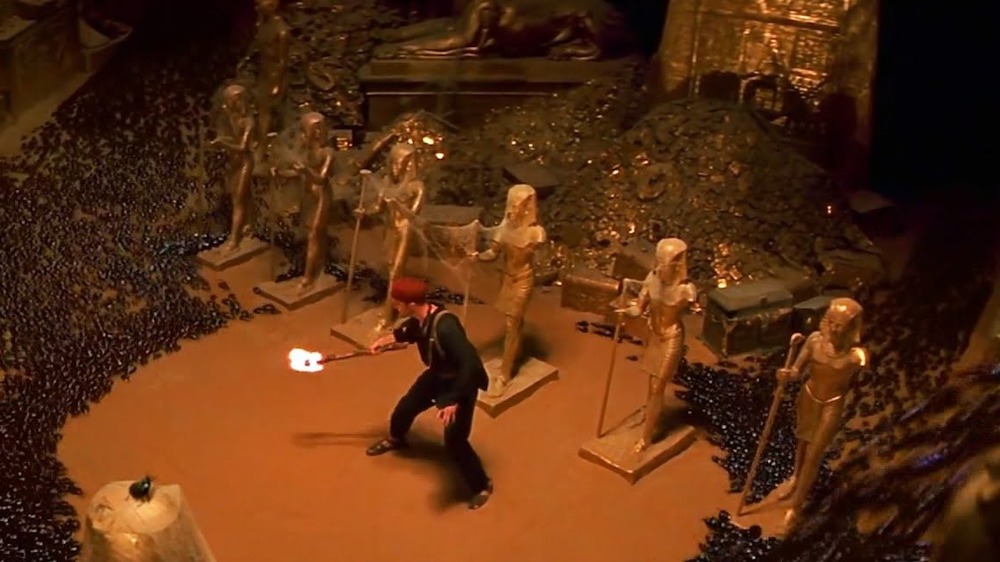
Kevin O’Connor in Universal Pictures ‘The Mummy’ via Looper
In the decades since its release, this movie still holds up as a good story with watchability. I viewed this film digitally on a 4K TV with HDR. WOW! Some scenes don’t upconvert as nicely as others, but I was really pleased with the viewing quality. I expected the whole thing to be grainy (noisy) and the fact that it’s not made rewatching this so much better than pre-Blu Ray.
The Mummy is a great film to see and worth a place on your watchlist. Don’t forget the popcorn!
Cast: Daniel Craig, Chris Evans, Ana de Armas, Jamie Lee Curtis, Michael Shannon,
Don Johnson, Toni Collette, LaKeith Stanfield, Kathrine Langford, Christopher Plummer
When the patriarch of an eccentric, privileged family’s death triggers an investigation, no one is above suspicion in Knives Out. The film aims to be an ode to classic whodunit stories.
Detective Benoit Blanc (Daniel Craig) works with local police to investigate the death of crime novelist Harlan Thrombey (Christopher Plummer). His estate is reminiscent of something from an Agatha Christie novel, with its distinctive and eclectic presence. Its grandeur can only be matched by the robust and self-centered family members.
‘Knives Out’ trailer from Lionsgate via YouTube
Whether it’s the interviews with suspects to the story moving along in general, there is enough information to establish each character. To flesh out what makes them tick, and perhaps what would give them motive, is this effortless display of character development. The group is dysfunctional, what family isn’t, and yet they all have presence. Each respective role is depicted well, and that’s what a viewer wants from an actor; to do a good job. To be believable. The cast is layered, funny at times, and portrays a level of family tension that absolutely rings true.
Ringing true is Rian Johnson’s ability to create such a script. Movies are not made like this typically; they just aren’t and that’s a travesty. I’d take a great story with a pinch of violence and a dash of language over the way the majority of films are made in America any day. Really, who needs wanton violence, skin, and language if the story is fantastic and well-acted?
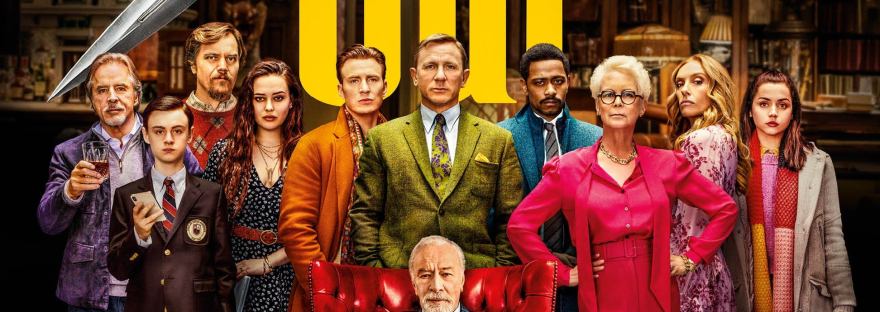
Kathrine Langford, Toni Collette, Jamie Lee Curtis, Don Johnson, Michael Shannon, Riki Lindhome & Jaden Martell in ‘Knives Out’ Image: Lionsgate
The details that went into ensuring the audience doesn’t figure out what really happened is pure genius. It was jarring to hear Daniel Craig with a Southern accent, and I personally hope to never hear again. Mr. Blanc needed an accent, or he would have come across as a hard investigating cop. Craig’s performance was reminiscent of Hercule Poirot at the end, with his break down of events and clues, with the accent, but Poirot is far superior.
At the mid-way point of the film, I was like, okay, I have all this information, and there’s an hour left in the movie. It felt like the pace needed to quicken to keep my interest, and I was not disappointed. From there, the story shifts gears, the viewer is equipped with all the details they think they need, yet the plot dives deeper still. The plot twists and creates new perspectives and questions that all weave together to strengthen the suspense of determining how Harlan died.
Ana de Armas in ‘Knives Out’ Image: Lionsgate
While this all-star cast gives good performances, Ana de Armas and Chris Evans really sell the later part of the story with Daniel Craig. It’s got laughs and begs you to try and solve it before the end.
Knives Out is a fantastic homage to classic whodunit stories for the modern age. With suspense, family drama, laughs, a compelling story that will leave you engaged from beginning to end, and an ending… Knives Out should unequivocally be on your watchlist! You won’t be disappointed carving out time in your schedule to see it.
Directed by: Michael Dougherty Rated: PG-13 Runtime: 2 hrs 12 mins
Studio: Legendary Pictures, Warner Bros. Pictures
Screenwriter: Michael Dougherty, Zach Shields
Cast: Kyle Chandler, Millie Bobby Brown, Charles Dance, Bradly Whitford, Vera Farmiga
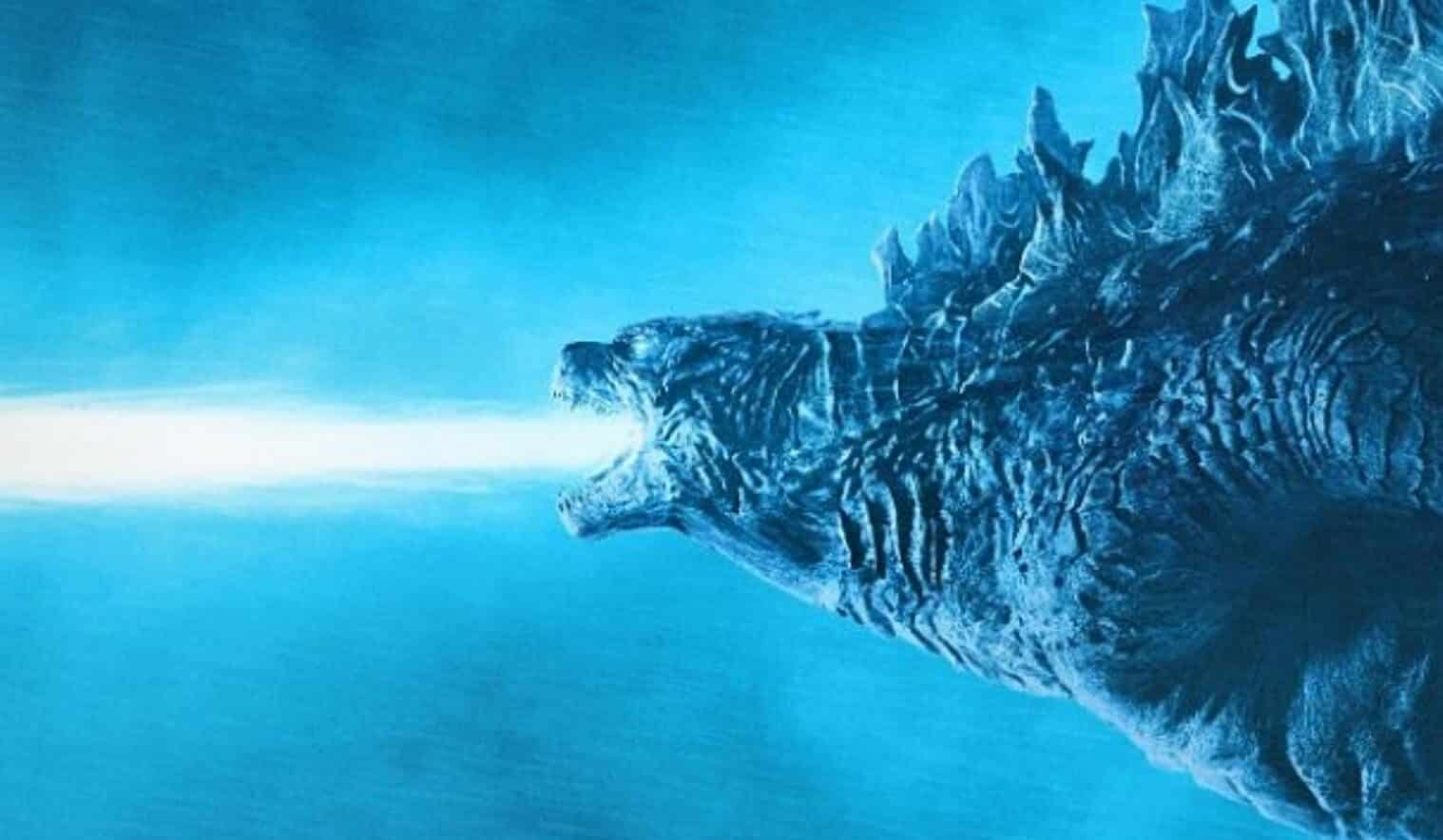
Godzilla: King of the Monsters is the second film in the “monsterverse” trilogy. The first was Kong: Skull Island. Where Skull Island had a much better storyline, tone, and pace, it also, more or less, had a better logical explanation of the monsters. ‘King of the Monsters’ fails at this.
Godzilla: King of the Monsters is basically monster porn with the weakest plot and cringy lines. If you’re a big fan of monsters, then this film probably won’t put you off. Though keep in mind the trailer’s tone compared to the actual movie is misleading.
Warner Bros. Pictures Final Trailer for ‘Godzilla: King of the Monsters’
The human characters have a purpose but have no depth. They exist merely to justify the limp excuse for a plot that moves along with the smoothness of a newbie learning stick shift. A story that revolves around culling the infectious human race with monsters—one of which is an alien. Seriously? This film is convoluted enough without that add-on. The whole justification for monsters existing in the entire trilogy is tenable until this screenplay, which is an exercise on how to fail film school. It’s meant to set up the third film, Godzilla v Kong.
If I had watched these in order, I never would have watched the third film. Instead, I was under the impression I didn’t need to see this film, so I saw ‘Skull Island’ and then Godzilla v Kong. Viewing the third film, I was confused as hell, so if you can make it through this film, more power to you.
While watching Godzilla: King of the Monsters, I stopped three times. My brain simply didn’t want to process the fecking train wreck in progress. Forcing myself to finish this is a crime against my brain cells. I just can’t. I don’t care about it enough to know how it ends. That’s a sad admission for any movie-goer.
The first film is like the first act of a movie, the setup. The second film is the middle, where the plot thickens, and lots of other details are learned. Finally, the third movie is the climax, the action, or reveal, and conclusion. Keeping that in mind, that is what this “monsterverse” is set up to be. The filmmakers are playing a long game. Trying to reinvent and expand beyond every monster film before them.
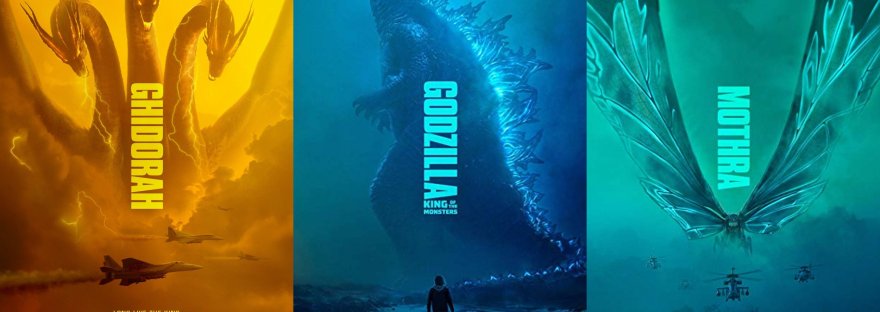
‘Godzilla: King of the Monsters’ Image: Legendary Pictures
Kong: Skull Island is a good start; this film is the equivalent of X-Men the Last Stand. The bastard, hot-mess of a franchise everyone wants to forget about. Godzilla v Kong is like a constant show of rock em’ sock em.’ However, if you understand the setup, it’s acceptable as such. You know what you’re getting going in.
Some argue there should be fewer humans in these movies; I disagree. The monsters can’t communicate, so the audience will understand, they were not designed to be. Therefore you need the human component.
If you like monsters, action, a believable story, and brain cells, there are far better movies to watch. Pacific Rim is an excellent, more recent example to see. Not this! Anything but this travesty of plot and logic. Godzilla: King of the Monsters should never make it onto your watchlist. Read a spoiler about it online and skip to the third film if you want, but forget it was ever produced.
Cast: Carlos, Robbie Amell, Josh Wiggins, Mia Xitlali, Lauren Graham, Thomas Haden
Church, Luke Kleintank
The people who put together the trailers for their respective movies and create something like Max’s trailer should have them fired or smacked upside the head. Bad trailers happen with alarming frequency. Max is another film that suffers from morons while editing. It should be a category for a Razzie award. I add the trailers to the movies I review as a convenience to you, the reader. However, if I add the trailer for Max, it’s like I’m giving the plot away. I usually don’t watch movies where I feel like I just saw the film after seeing the trailer. What would be the point of that? Yet the trailer for Max does just that. Back when this film came out, I still had a Belgian Malinois, like Max, so I saw it based on that.
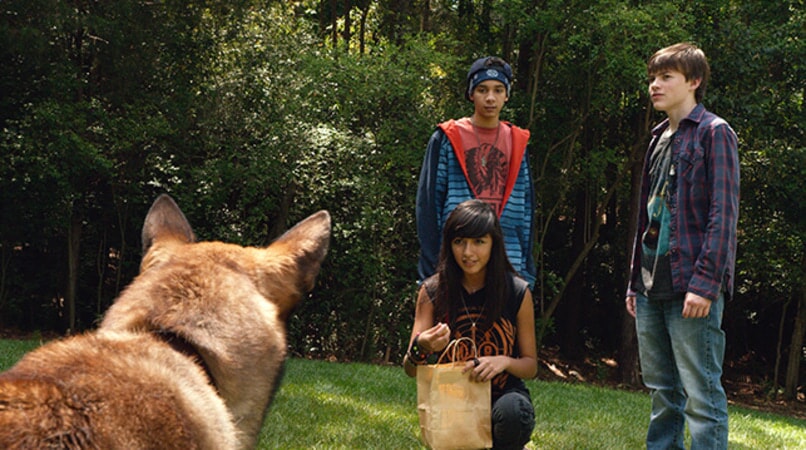
Max is a film based on a fictional American military working dog of the same name. Max (Carlos) is handled by Marine Kyle Wincott (Amell), who dies in Afghanistan. The events that lead to Kyle’s death leave Max unable to perform as trained, and he is sent back to the United States. Kyle’s family is given the option of what to do with Max, as he cannot be handled due to his PTSD. The one person he ‘accepts’ is Kyle’s younger brother, Justin (Wiggins).
Robbie Amell & Carlos in ‘Max’ Image: Warner Bros. Pictures & MGM
Justin is several years younger than Kyle. Wiggins portrays the self-absorbed, sulky teenager with a chip on his shoulder better than most “teenagers” are depicted. Compared to the rest of the humanoid cast members, Justin’s character is the only one with depth. The film, more or less, is about Justin and his relationship with Max, so it’s bearable.
While Max is semi-predictable and lacks any deep character development, it does highlight its themes well. How processing grief is healthy, courage, and character. For what it does well in those areas, it creates stereotypes in others.
Carlos, Mia Xitlali, Dejon LaQuake, Josh Wiggins in ‘Max’ Image: Warner Bros. Pictures
The Wincott family hasn’t had Max long in their home when a friend and former service member Tyler (Kleintank) arrives back in town. He and Max clearly don’t like one another, yet no one seems to notice. Yakin does nothing to hide that Tyler is trouble; in the same way, Justin’s parents (Church and Graham) are obliviously stupid when necessary. Yakin also put no effort into anyone in this movie, sounding like they are from Texas. It’s not complicated.
So, Justin learns how to own a dog, let alone one like Max, with the help of his friends (not his parents). The plot unfolds with Justin’s mistrust of Tyler’s reason for leaving the Marines. Deepening into more of an edgy, back-to-school special, modern-day Mystery Inc. storyline. If Scooby-Doo was a fearless bad-ass and not a cowardly eating machine and the gang all got around on bikes and not in a van.
Lauren Graham, Luke Kleintank, Josh Wiggins, Thomas Hayden Church in ‘Max’ Image: Warner Bros. Pictures & MGM
This film is full of areas I can point out as logistically wrong. Still, its target audience is best appreciated by those 10-16 years old. Or those like me who enjoy seeing a Belgian Malinois on the big screen. Really, it makes me miss my dog. Sometimes we all need a dose of sappy. Max is a decent film that’s pace moves along well enough to keep a parent or kid engaged until the end.
This movie is undoubtedly under the lens of Americans and their working dogs in Afghanistan. It can also be appreciated by anyone connected to or served with K-9 handlers from any country. Yakin tried to honor the working service dogs of the military, and does to a point, but could have done more with a better script.
Max is a feel-good movie that is meant to tug on your heart, to make you appreciate the efforts of K-9 military service animals. It does that, more or less in a tolerable way. While adults may like it, many younger viewers will love it. With that in mind, Max should find its way onto your watchlist.
Another scene has Steppenwolf and parademons fighting against the hero’s in Gotham, fine. The audience should remember this film was shot after Wonder Woman yet pre-dates Wonder Woman 84 technically. So where did Diana/Wonder Woman get a sword again? Of all the things better explained in this version, this never comes up. Yet, in this entire movie, she has a sword that can stand up to the paces of a demigod’s use and battling against parademons and Steppenwolf. She’s never been back to the Themyscria. Am I the only one who’s curious about this? Is my nerd showing too much? Moving on, the transition could have been smoother from this sequence to the next scene, but Snyder seemed to have little options. So, like a hangnail, you do what you need to do and move on.
The mother boxes are supposed to be these super-powerful objects that are science but appear like magic that communicate with one another somehow. That’s easy enough to believe, and I am grateful Steppenwolf no longer talks to them, calling them “mother” like a disturbingly devoted child. However, it’s difficult to accept the boxes can “decide” to tell/show Steppenwolf something. Or how they just know what a user wants out of them, period. How that is possible is never established and seems like it’s there just so Snyder can throw in more material. Snyder vaguely sets up the second plot within the storyline at just over the film’s halfway point. The plot within a plot he attempts to foreshadow is aggravating and bloats the film.
Still of ‘Zack Snyder’s Justice League’ via polygon.com Image Credit: Warner Bros Pictures/HBO Max
Snyder takes too long to develop the characters and establish the point of the movie. Superman, Wonder Woman, and Batman have already been established in previous films by this point, so why does it take so long to flesh out the other three? It shouldn’t. This obsessive need to put in every detail makes the movie’s pace, overall, slow and dull.
Eventually, the name Darkseid is uttered. Unfortunately, the writers of this film can’t come up with a better introduction to the whole point of plot 2 without Steppenwolf mansplaining to DeSaad about Darkseid. Yes, the audience gets told by default, which is the point, but it’s so far-reaching. The buildup to what happens with the boxes is established early in the film, and the audience is invested. To throw in everything after this is a lame attempt to cobble together what should be two films. Like the outcome of plot 1 could fuel plot 2 in another film. The pace would be better, at least.
Listening to what Steppenwolf says to DeSaad about Darkseid made me write it down. Why? The whole explanation is confusing, and I needed to break it down because I thought I heard it wrong. I didn’t. It is a bunch of illogical rubbish! Snyder does a shite job of setting up or explaining or alluding to any of what is said beforehand. If Snyder had bothered doing that, weaving these details or backstory into the film from the beginning, his plot within a plot wouldn’t seem like an afterthought. But, that takes talent, and that’s something I’ve felt the writers of the “Snyderverse” have always lacked.
Image Credit: Warner Bros. Pictures/HBO Max ‘Zack Snyder’s Justice League’ via Screenrant.com
After the movie’s soggy midsection is Cyborg, again. His transformation from Victor to Cyborg is further explained and reveals how the mother boxes work. This is important because this makes the team seem less spur of the moment and crazy for wanting to use it in the crashed Kryptonian ship than they appeared in the 2017 version.
There is this touching representation of humanity between Martha and Lois when they share their mutual grief with one another about Clark/Kal-El. Or that’s what I thought, but then Snyder goes in and dangles another add-on. Just randomly throws in something else that doesn’t even come up again until the absolute end of the movie. I’m sure he did it to make this fanbase happy, but I say it’s a giant waste of potential! Ultimately it’s a letdown that he should have just left out of the movie.
PART 5
While the pet cemetery joke is gone in this version, Barry finds himself, with the others, digging up Clark’s body. What, you thought it magically got to the Kryptonian ship?
Jason Momoa, Ray Fisher, Ezra Miller in ‘Zack Snyder’s Justice League’ Image Credit: Warner Bros. Pictures/HBO via Entertainment Weekly
I still don’t agree with Arthur wearing Atlantian armor because he hates Atlantis. It makes zero sense. However, I’ve established what I think about Zack Snyder’s lack of professionalism towards the other directors involved with this ensemble.
The Kryptonian ship doesn’t like the mother box, big surprise. I do like the explanation for why the team can use it and how Victor’s father could use it on him without waking it. The devil is in the details, and this is an area where they were logically fleshed out.
In the 2017 Justice League, Lois is used as bait for a resurrected, powered alien with a temporary blank slate of a mind. How her character is utilized in this version is preferred. She takes these daily walks to the memorial near the ship (okay, this is a baby-sized spoiler), and it gives her a natural, believable reason to be there and “run into Clark.” It really highlights Clark and Lois’s bond and relationship as something real and substantial. Something the other version didn’t care about.
Amy Adams as Lois Lane in ‘Zack Snyder’s Justice League’ Image Credit: Warner Bros. Pictures via comicbookdebate.com
So, it’s in the trailers; Superman lives again! Yeah! In the process of making that happen, Victor is ‘shown/sees’ a possible future or alternate reality; by either the ship or mother box, which is unclear. It’s logical for Victor to see what Bruce has seen. However, accepting Batman’s “premonition” or “Knightmare” from Batman v Superman: Dawn of Justice is a stretch. It’s one of Snyder’s attempts at alluding to what’s to come, which only makes logical sense from Victor’s position, never Bruce’s. Yet, it’s from Bruces’ POV that is the springboard for more Snyder-bloatware.
Superman/Kal-El/Clark is not enjoying his resurrection party that makes its way outside the ship. Points I’d like to point out as dumb. 1. You’re a cop or soldier, and you see a flying man with Superman’s face; why shoot at him? Can’t you tell it’s him without the suit on? 2. Batman and Lois saying “Clark” within earshot of said cops and soldiers…just stupid.
PART 6
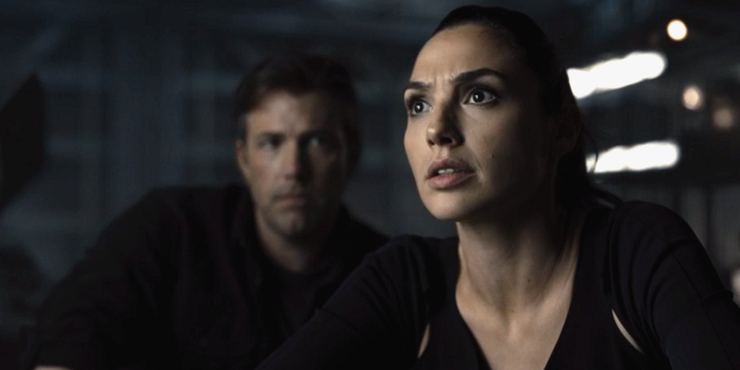
Gal Gadot, Ben Affleck, Ezra Miller in ‘Zack Snyder’s Justice League’ Image Credit: Warner Bros. Pictures via radiotimes.com
Bruce tells Diana about his dream/premonition, not because it’s of any relevance to this movie or logical again in any way. If there was a snowball’s chance in hell of Snyder getting to do another film, this would be relevant, but it’s not gonna happen. He knew that and left it in any way. The film could be so much shorter without him trying to get the audience to believe Bruce has premonitions. Much of this movie could have been done without or in smaller doses, and the runtime would be tolerable.
At this point, there is an hour left in the film.
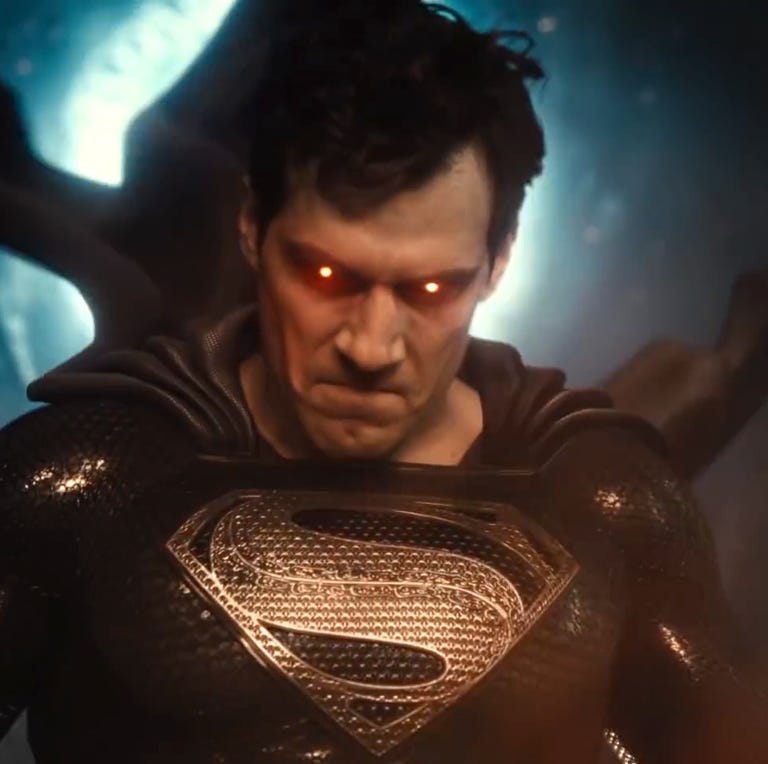
Evident from the trailers, Superman dons a black suit. Many people didn’t like this, and it’s hard to blame them. Nowhere in the film is a reason for the choice, though it would have taken ten seconds or less for Superman to respond to any of the team or Lois asking about it. Not that Henry Cavill looks worse in all black, it’s Henry Cavill. Still, the precedence for it is based on the comics. Only the most devout comic nerds would know that.
So near the end of the film, the team works together to deal with Steppenwolf and the mother boxes. Darkseid lurks nearby while all the action is happening, like some bigger foe the team didn’t see coming and must deal with. Snyder’s second plot. If you’re a fan of the comics and think that Snyder will give you an epic showdown with him, nope.
Henry Cavill as Superman in ‘Zack Snyder’s Justice League’ Image: Warner Bros. Pictures
Both of the trailers for this film are misleading cockteases. The tone of the film is not the same as the trailers, nor is the pace. Alluding that Darkseid has a substantial role in this film is false. His character is in the movie, but I feel it’s fair to warn you Alfred (Irons) gets better screen time.
There’s so much more I could talk about in this part of the movie, but it’s difficult to do without giving stuff away. So I won’t. Just understand that the film could have ended here, and it would be a runtime of 3 hours 34 minutes. At this length, all of the Lord of the Ring and Hobbit films had better storytelling, tone, pace, and character development than “the Snyder cut.”
EPILOGUE
With twenty-eight minutes left, ten of those are spent on short bits that the audience will appreciate. Tying up loose ends is an excellent way to describe it. While the movie could have ended already, it definitely needed to end here. It didn’t.
Henry Cavill as Superman in ‘Zack Snyder’s Justice League’ Image: Warner Bros. Pictures
All I could think of was what the fook, just end the movie already! So there are ten more minutes of Zack Snyder’s inability to let go and move on. What is shown has nothing to do with the actual movie. It’s like a movie trailer tacked on at the end. The super-secret clip shown only to the attendees at Comic-Con or something. It’s literally a scene he made to go into another movie. Catnip dangled out for all his fans to salivate, obsess over, and probably bully the studio for years to make. It’s pathetic.
Don’t worry. The last eight minutes are the credits and just the credits.
VERDICT
Zack Snyder and Chris Terrio should never have been given the reins of this franchise.
Yes, I’m a fan of Marvel comics and the MCU, but here is a fact, a person can be a fan of both Marvel and DC! Millions of people are. The two take incredibly different approaches to their storytelling. Understood. What Snyder did was make films based on an obscure and darker take on Superman and Batman. Those who are not devout comic book fans have a hard time accepting that take on these iconic characters’ first cinematic outing together. That’s fair; I even agree with it.
I could have been on board with the death of Superman storyline with a twist to it. If they merged that with another storyline where the characters come together. Cyborg and Aquaman wouldn’t be in that, but Hawkgirl and Martian Manhunter would be. A better writer and director could have made something truly epic and wonderful. Something to build upon. A franchise with continuity that supports the standalone films as well as the larger ensemble ones. Those are just attributes of good storytelling when you have so much material to work with as one does with comics and superheroes.
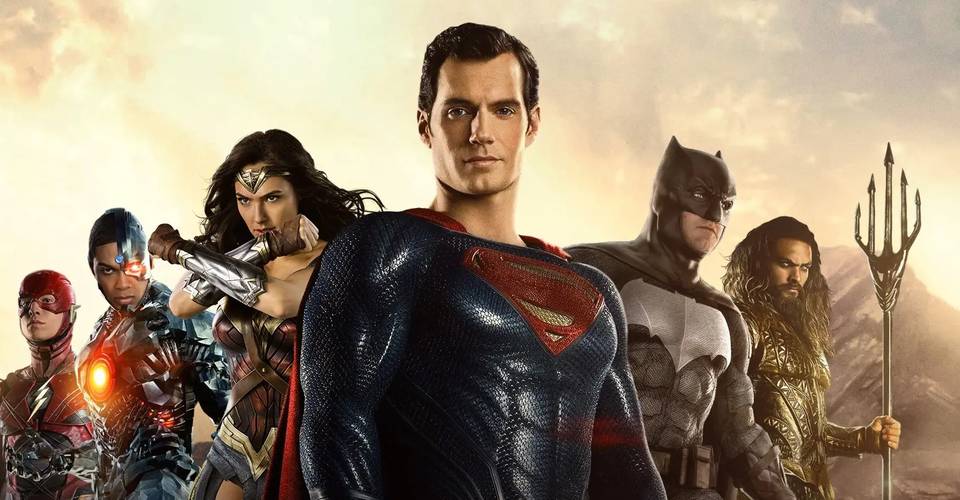
‘Zack Snyder’s Justice League’ promo image via cbr.com Image Credit: Warner Bros. Pictures ?
Zack Snyder was given another chance to tell a story. A story with a clear beginning, middle, and end. He failed at that. He chose to create a four-hour-long 4.3 aspect ratio example of why more isn’t always better.
If you never saw the 2017 Justice League spare your butt the nap it will get watching this. Unless you’re bedridden and bored out of your mind, it’s not worth the time. If you did see the other version of this film, there is little satisfaction to be found. Sure, there are many changes, but unless Cyborg is your favorite character, he’s the one with the most significant differences. Don’t bother.
I love the Justice League and the actors that portray the characters; they all did a fantastic job with the given material. No-fault can be found there. Still, this movie isn’t worth putting on your watchlist; no film that feels this long should be. The Justice League may one day be shown justice on the big screen, but not today.
Screenplay by: Chris Terrio Story by: Zack Snyder & Chris Terrio and Will Beall
Cast: Henry Cavill, Gal Gadot, Ben Affleck, Jason Momoa, Ezra Miller, Ray Fisher,
Amber Heard, Amy Adams, Jeremy Irons Rated: R
**This movie is LONG! Unpacking it is a chore, so I am breaking my review/commentary on it into two parts. Look for the second half on Monday. Thanks everyone!**
Zack Snyder’s cut of the Justice League movie was born from the efforts of a devoted fanbase. That is why this movie exists, pure and simple. They are all proud of this, and I might applaud their efforts if most of them weren’t so toxic. That is a conversational beast that doesn’t belong here. My review isn’t for them. They need no convincing to see this film one way or the other.
Once a bell is rung, it cannot be un-rung. In the same way, I cannot un-see a movie already watched. The memory is there, that crucial first impression ingrained. My goal is to review just ‘the Snyder Cut’ without comparing it too much to the 2017 Justice League.
‘Zack Snyder’s Justice League’ Official Trailer via ING, YouTube.
That said, the first scene in Zack Snyder’s Justice League shows the audience the end of the fight scene in Batman v Superman: Dawn of Justice. Except that it’s not. This scene is clearly meant to imply this sequence happened, but it didn’t. Basically, Snyder added it to this film in a show of ego of how he could improve something he didn’t have the foresight to do the first time around. This intro sequence certainly would have improved upon Lex Luthor’s (Jessie Eisenberg) lines said at the end of Dawn of Justice. Cementing the seriousness of what was to come in ‘Justice League.’ That aggravating clarification aside, Snyder does get points for including information in this introduction in a concise, straightforward way that explains how Lex knew certain things in the first place.
Kal-El’s (Cavill) cries are like a supersonic whistle that only three guarded boxes can hear. Pushing aside the 2017 Justice League movie, assuming you, the reader, haven’t seen that film, this introduction works:
It connects this film better to the previous one.
It sets the tone.
It sets up the plot.
All in the first five minutes without one spoken line. Not bad.
Ben Affleck and Gal Gadot in ‘Zack Snyder’s Justice League’ Image: Warner Bros. Pictures via cbr.com
This film’s premise is that Bruce Wayne/Batman (Affleck) has been warned of a force coming to destroy the Earth in the wake of Superman’s death. With a fresh resolve to make up for his previous notions of Superman before his death, Bruce seeks out metahumans, with Diana/Wonder Woman’s (Gadot) help to protect Earth. Snyder presents this task and journey in the film into seven parts.
Sectioning off the film into parts doesn’t come across as chapters in a narrative as smoothly as they could have been. If anything, they serve to avoid jagged scene transitions. Personally, I find that lazy. Let’s review the film by these parts, not because I’m lazy but because it will act as headers and make it easier to read.
PART 1
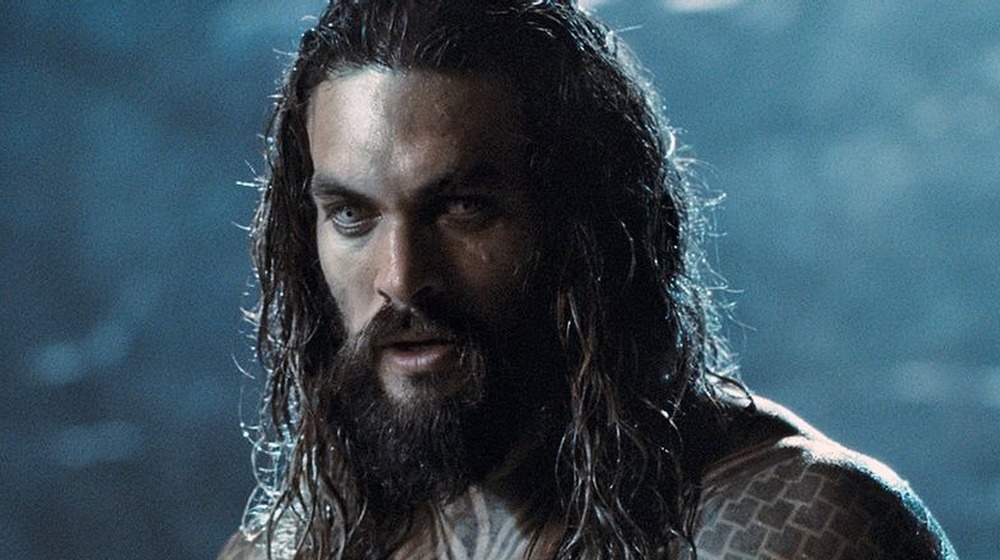
In the 2017 film, I didn’t know who to blame for giving Arthur Curry/Aquaman (Momoa) ice-blue eyes, Whedon or Snyder. They both knew a stand-alone Aquaman film was in the works, so why not consult about the character? In the 2017 film, his eyes were better looking than in ‘the Snyder cut’ because there is more color and brightness. Snyder has this depressing, overcast, muted tone thing going on in this movie. It loses the effectiveness of the choice to have his eyes this color the first place. Since then, the Aquaman movie came out and Zack Snyder’s choice to not change Arthur’s eye color to match is ridiculous. When establishing a movie franchise universe with different directors and visions, SOME consulting should be a given! A professional courtesy.
Jason Momoa as Aquaman. Image: Warner Bros. Pictures via Looper.com
You’re probably thinking I’m just ranting and not reviewing, but I am. This lack of acknowledgment is repeated frequently in this film. When a director and studio allow this to happen, it can damage what is trying to be built. It also can confuse the audience. I’m giving my thoughts without giving anything away. Or trying to, at least.
The introduction and general use of Lois Lane (Adams) are better here. It connects her relationship to Clark, and the loss, in a way that is relatable for anyone who’s lost someone important. She’s not just a last resort plot mechanism.
There is a sequence in a bank where Wonder Woman busts out some unbelievable moves. Diana has impressive reflexes, true, but she’s not faster than the Flash. She’s not faster than (modern-day) speeding bullets either. It’s an example of speeding up a character beyond their established capabilities. It also made me question if children in Europe actually go on field trips to banks? We don’t in America, so it seems like a comic cliche add-on.
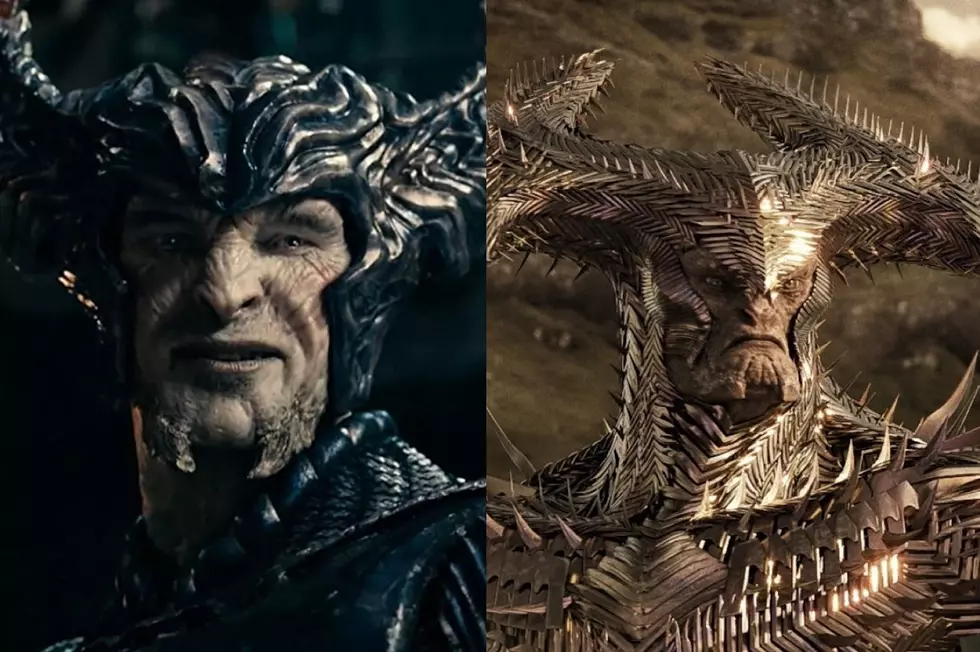
Steppenwolf in 2017 ‘Justice League’ on LEFT & ‘Zack Snyder’s Justice League’ on RIGHT. Image: Warner Bros. Pictures via ScreenCrush
A favorite DC setting is brought back, the island of Themyscira. Here we get a look at another aspect of Amazonian responsibility. This is where Steppenwolf, the antagonist of the movie, is introduced. Previously, in the 2017 version, he looked more organic. In Zack Snyder’s Justice League, he resembles the shiniest, chrome-plated Decepticon ever seen. An expansion of what happens on the island in this version shows what goes down is more than just a short keep-away game. In that, and this is in the trailer, so it’s not a spoiler, think what it would take to destroy part of an island created by a god.
PART 2
Steppenwolf’s goals and place in the universe are made more evident in this film. The audience gets a sense of it when DeSaad materializes to converse with Steppenwolf about his progress towards redeeming himself to Darkseid. The being Steppenwolf answers to. However, Snyder struggles to effectively elude to his ultimate plot within a plot.
Snyder does give a more intimate, personal introduction to Victor Stone/Cyborg’s (Fisher) storyline than he previously received. Ray Fisher does a wonderful job of portraying Cyborg, which I discuss in my review of the 2017 film.
Ray Fisher as Cyborg in ‘Zack Snyder’s Justice League’ Image: Warner Bros. Pictures via The Hollywood Reporter
The scenario where a woman jumps, climbs, or runs in high heels is a personal gripe I have every time it happens on TV or cinema. It’s a great example of men writing women characters poorly. Diana, who’s always in heels, jumps in hers and lands with them intact. Doesn’t break her shoes or ankles. She really is a Wonder Woman.
There are two moments where I question the musical choice for scenes. Like, what kind of mood are you trying to create from the one I was just in. The tone change doesn’t transition well. One is with Aquaman, the other is later with the Flash. Music is a fantastic tool in cinema, and this film’s musical scores did nothing for me. Both ‘Everybody Knows’ by Sigrid and ‘Come Together’ by Gary Clark Jr. & Junkie XL from the 2017 film are removed in the Snyder Cut. The removal of ‘Come Together’ is understandable; its tempo is too energetic for Snyder. Sigrid’s song is great, but there is no place for it in this movie, even one four hours long.
After almost an hour, Vulko (William Dafoe) finally refers to the three boxes as ‘Mother Boxes.’ I still don’t like how the boxes were adapted from how they are utilized in the comics. This scene could have benefited from Aquaman director James Wan and Snyder swapping notes since it messes with what ends up being part of Arthurs origin story.
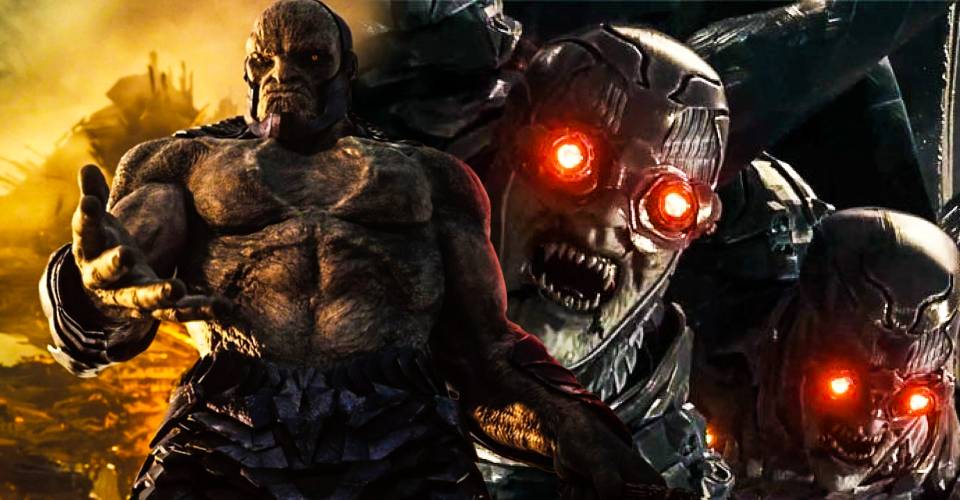
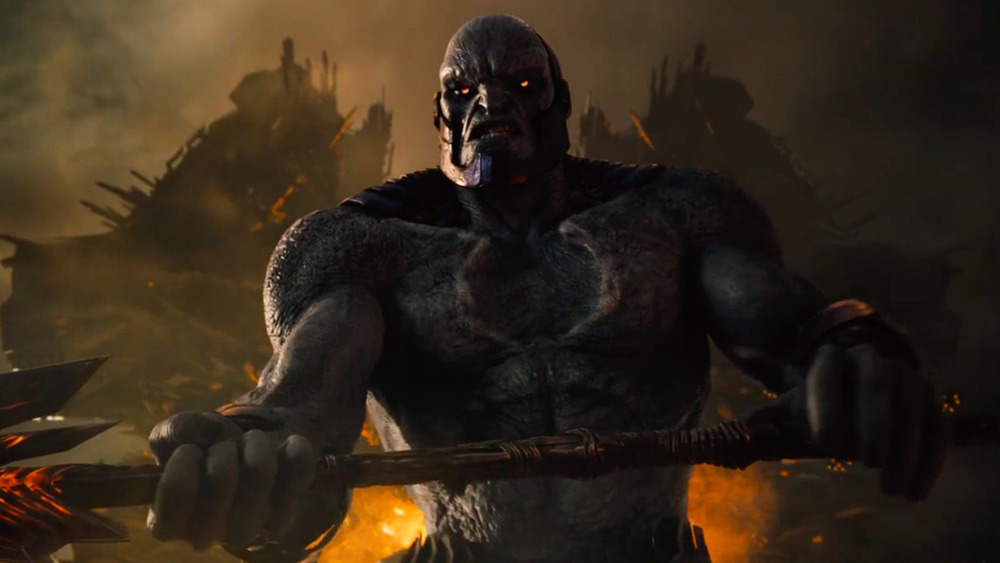
Darkseid in ‘Zack Snyder’s Justice League’ Image: Warner Bros. Pictures via Looper.com
In part two, Diana explains to Bruce who/what Darkseid is. She recounts the story of when he came to Earth before, and the wording is ambiguous. It’s frustrating because the script is so vague here. The writers hope the audience isn’t paying too close attention to details because they are not concise in their storytelling. They simply lack the imagination to connect this part of the storyline to a future plot point. I could sum it up, but that would involve spoilers. It creates questions for me about Aquaman and Wonder Woman’s original stories. Snyder blows some of that away without a care to the directors who gave fans notable films and storytelling. It’s so professionally fucking rude!
Who needs continuity in a franchise or any story? Right?
PART 3
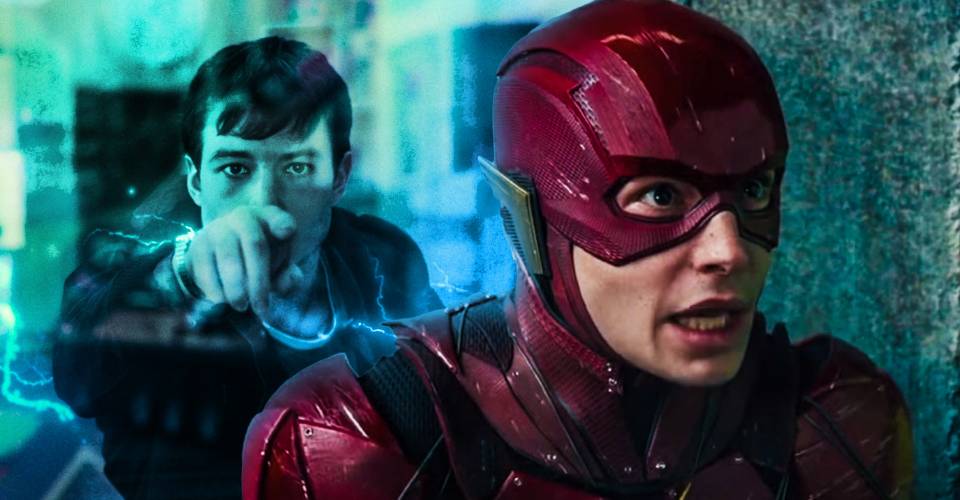
The Flash’s intro. In the 2017 version, Barry Allen/The Flash (Miller) was the best part of the movie for me. He was a mix of vulnerable, funny, and honest, appreciating and in awe for what he was joining. His reactions were tremendously different from everyone else. He’s what a young Flash should be, too bright for his own good, quick with quips and occasionally putting his foot in his mouth, but in an enduring way. Zack Snyder got rid of that. Pity. In his version, Barry/Flash starts off as an excuse-ridden idiot with attention issues.
His intro sequence involves the introduction to Kiersey Clemons as Iris West. She’ll be in the stand-alone Flash movie for relevance. That said, she’s only in one scene, and frankly, it could have been shortened or cut altogether. The entire sequence does nothing for Barry’s character overall. There is an Easter egg here. This is the other scene when the musical choice makes me feel like I’ve been transported momentarily into a different film.
Ezra Miller as The Flash in ‘Zack Snyder’s Justice League’ Image: Warner Bros. Pictures via Screen Rant
Victor Stone’s story is fleshed out more and elaborates better on how he became Cyborg. Every time his character’s backstory comes up, the audience sees a well-rounded character in development that you want to follow along with.
Barry meets Bruce, and that’s the same. There wasn’t anything wrong with that whole setup. What is tweaked is how Diana and Victor meet for the first time, but she is still patient and empathetic towards him, and that matters.
Steppenwolf goes to Atlantis, and I think Mera (Heard) is fleshed out a bit more, but not much. As is King Orm, who is only mentioned but gives the audience an idea of who he is before the Aquaman movie. I do wish Mera’s magic was utilized more; it’s an underused attribute of her character. A significant example in this section of the movie contradicts Mera’s character in this film against the Aquaman stand-alone. It’s like Zack Snyder has never bothered to see James Wan’s Aquaman! If you see this movie, can you pick up on it?







:format(webp)/cdn.vox-cdn.com/uploads/chorus_image/image/68999013/mother_box_unity.0.jpg)




 Watch List Reviews