
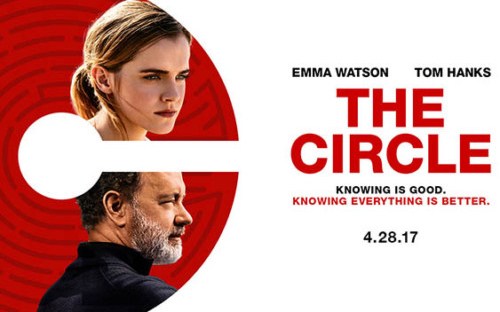
Directed: James Ponsoldt Runtime: 1h 50m Rated: PG-13 Screenwriter: James Ponsoldt, James Eggers Studio: STX Entertainment Cast: Emma Watson, Tom Hanks, Patton Oswalt, John Boyega, Karen Gillan
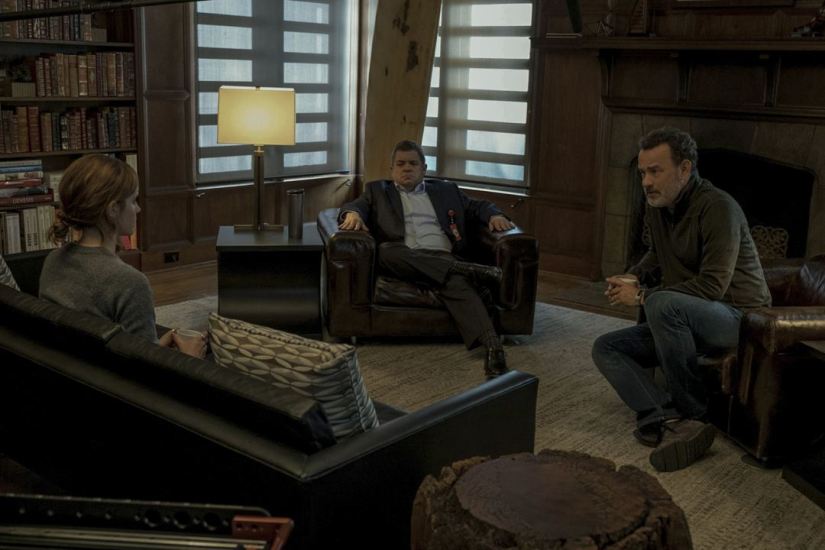
The Circle is a film about an all-knowing, all-connected social media tech conglomerate with no history, making it no better than a bot. Except that we see it exists, it lives and breathes via the ideas and algorithms created by its creators, Eamon Bailey (Hanks) and Tom Stenton (Oswalt), who are anything but transparent.
Based on the book of the same name, the setting is reminiscent of Apple’s headquarters. Yet, while watching this film, one can’t help but also think of Google, Facebook, and Amazon. It is a film that posits that “Knowing is good. Knowing everything is better.” The notion of privacy is stealing information from everyone else, so what’s the real agenda of a place like this and the people who run it?
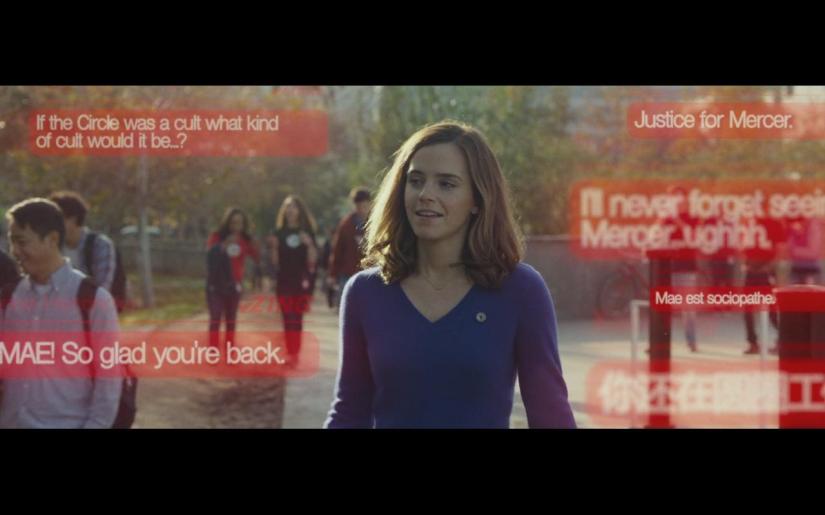
This film has a solid casting, and director James Ponsoldt squandered every one of their acting chops. It boggles the mind to cast actors with so much potential into roles pathetically void of depth or meaning. It’s akin to writing the first draft of a book and not fleshing out anything meaningful about each character besides their names, jobs, and what they look like.
Oswalt is a fantastic actor who does nothing more than stand around with a pissed-off look for the movie. Bill Paxton sits around and shakes. Karen Gillan’s Annie is nothing more than a once happy puppy (on Adderall) who, by the end of the film, is a hollow shell of a beaten dog with no real context except work burnout. Her character had the makings of a way for the director to peel back what The Circle does but backs off, forgetting the character entirely. All that pales next to Ty (Boyega), the creator of TrueYou, the app to end all other apps. TrueYou is The Circles’ most used feature; it renders every other app you use obsolete because it does it all. Except, like all well-meaning creations throughout history, it was implemented in a way Ty didn’t design it for. So Ty gets paid to sulk around the campus of The Circle. Why doesn’t he leave? For the paycheck, zero self-respect? Who knows, and the filmmaker isn’t interested in logic or backstory. Character development doesn’t exist here.
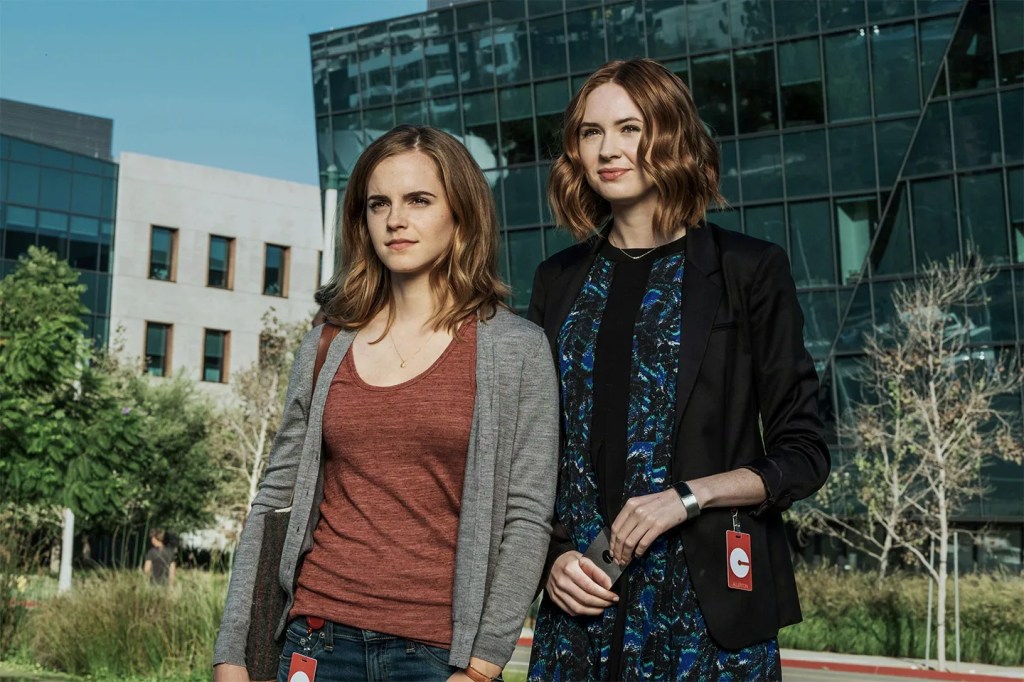
I say story, but that’s being too generous; there’s the most basic story here, and the same with the plot. Considering this film is based on a novel whose author co-wrote the screenplay for this adaptation, it’s a wonder nothing meaningful made it to the screen. Having never read the book myself, this film gives me zero desire to do so. So what’s left? What should a viewer expect? Emma Watson’s Mae is a grateful young college graduate who gets a job at the best company in the world after a stint as a temp. Many people can relate to that and the overwhelming joy when starting. It’s here where we see the attempted point of this film: to show all that’s wrong with big tech, social media, and, by extension, the internet. The intersection of working for a company is your only life, productivity, and zero privacy.
We give away little bits of our right to privacy when we create an account, download a new app, or subscribe to something. We expect our stuff not to be shared or sold without permission; we don’t consider the more significant implications in small bits. In The Circle, TrueYou does everything all apps used to do. Why use thirty apps when one will do? Streamlining is better, right? Would you give away your right to privacy when you see, all in one place, how much of you is actually out there? Do you understand the ramifications of using your personal information as analytics to sell you stuff, spy, or control you? It’s one area this movie gets right, getting the audience to think about how far is too far in balancing the right to privacy and transparency.
The Circle is by no means the best film ever made. It had so much potential to be meaningful, but it’s a peacock; it’s all flash and little substance. Having said that, I’d still say put it on your watchlist. Why? For all its missteps, it made me think. It made me ask questions and provided an opportunity to have a conversation. I like stories like that, even if it didn’t translate to the big screen so well. It’s worth seeing once.
-A Pen Lady
 Watch List Reviews