

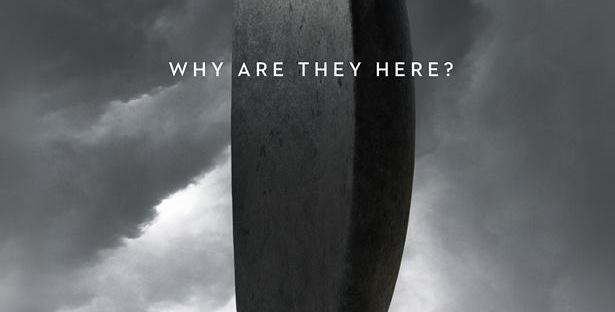
Arrival (2016)
Directed by: Denis Villeneuve Runtime: 1 hr 56 min Rated: PG-13 Studio: Paramount Screenwriter: Eric Heisserer Based on: Story of Your Life, 1998 short story by Ted Chiang Cast: Amy Adams, Jeremey Renner, Forest Whitaker
Arrival is a cerebral experience that delivers a compelling sci-fi story with novel ideas through minimal CGI, well-edited sound, and strong performances by the cast.
Twelve alien crafts suddenly arrive on Earth in places all over the globe. Top translation linguist Professor Louise Banks (Amy Adams) is…requisitioned by the U.S. Army to help communicate with these beings and find out why they came. Dr. Banks is aided by Dr. Ian Donnelly (Jeremy Renner), a theoretical physicist.
Two key points I found refreshingly novel compared to other alien films involving the military were: they put in a woman in charge, and they listened. In many professions, women are not at the top or even respected for the work they do. Chiang’s choice for a female lead, believably, drives the story forward. The studio’s version could have changed that but did not. Second, the American military could have listened and taken a ‘we’ll take that under consideration’ mentality to Dr. Banks’s assessment. Instead, more or less, she was permitted to work without interference.
The military wants answers as quick as possible before another country starts shooting. Knowing that and trying to communicate correctly with a species you don’t understand… is a lot of pressure. In numerous films, the military person in charge is a hard ass, which would not fit this movie’s tone. Colonel Weber (Forest Whitaker) is the man in charge of operations. Forest Whitaker naturally projects a strong authority of presence without trying. His calm assertiveness and respectful demeanor when things are explained to him is a great example of why patience in this film is so important. It’s one of the main themes.
Amy Adams delivers a grounded performance that is nothing short of graceful. She (Dr. Banks) is learning an alien language, teaching English-under the military’s eye, while processing some intensely personal events. She never misses a beat.
Why is it that alien movies with potential global destruction are what it takes to make the world work together and share information? Teams like Dr. Banks and Dr. Donnelly’s are also in contact with their local alien ships. How and why all these teams choose to communicate the way they do should remind us that one way isn’t the only way.
:format(webp):no_upscale()/cdn.vox-cdn.com/uploads/chorus_asset/file/7448939/arrival2.jpg)
The subtle nods to the other teams and the world’s reaction to finding out aliens are real are very believable. It helps with scene transitions and story progression. Some of the scenes may be confusing as more about the aliens are discovered: how they travel, how they view time, their belief of the notion of fate, and language itself. I did say this movie is a cerebral experience.
The authentic responses to the alien’s arrival are as intense emotionally as it is mentally. The alarms and subsequent evacuation of students from campus are relatable to me, as I’m sure it is for many. (It’s in the trailer, so I’m not spoiling anything). Who doesn’t remember how they felt when they learned the news of something huge? A war starting, a natural disaster wiping out places, the assassination of someone? For me, it was being in a college lecture hall on 9-11. It’s not the arrival of aliens, but there is a relatable sense of anxiety and dread. Scenes like this, created to resonate with the viewer, enable the filmmakers to craft a film with much less CGI than most sci-fi pictures.
Another cerebral form is physics. I’ve said in another review that I don’t do physics, it’s still true. However, when watching this film, pay attention to the comments about the ship’s design, how they move, and the energy they put out. For such a large object, my thought was, that’s one green ship! I don’t know if that was intentional. Still, I think it says a lot about this alien species and their intellect without explaining anything more. I reviewed the 2012 film Prometheus, and a ship in that film is similar to those in this one. Both are a nice departure from how other spacecraft are depicted.
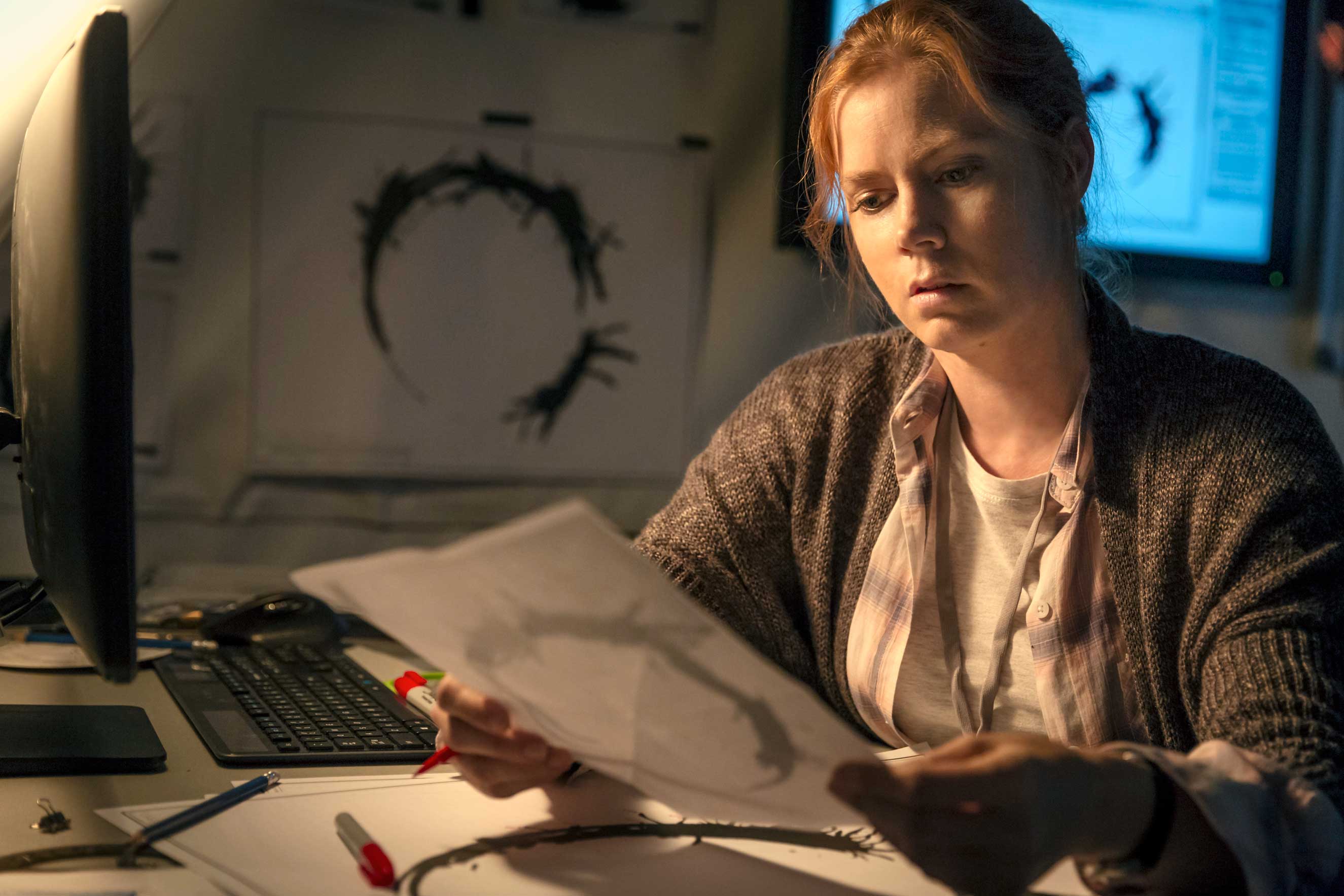
Ted Chiang created this alien language, and it was further fleshed out when adapted to the screen. It became a believably functional, artful, and original depiction of a language not based on our own. That takes immense creativity and understanding. When Dr. Banks learns enough of their language to understand their purpose on Earth, well, it’s absurd for real life, but for a movie? Sure. Go with it.
If you don’t like to think when watching a film and want everything spelled out for you, this film is not for you. If movies like Alien and Independence Day are more your thing, this movie will disappoint you on multiple levels. If, however, you enjoy a great sci-fi story with good acting and original perspective, you should put this film on your watch list.
—a pen lady
2-23-21
 Watch List Reviews