
Film Critic, Movie Blog, Movie Reviews

Next Goal Wins (2023)

Films based on actual events tend to be compelling, and sports-related ones are no exception. Next Goal Wins is a sports film based on a soccer team’s real-life defeat and a 2014 documentary on said game. The people associated with the American Samoa soccer team are still alive; a filmmaker can talk to those associated with the team and see what became of those individuals in preparing a film like this. It’s an advantage because the game happened within the last 20 years, not 200. First-person accounts are invaluable to any story being told, no matter the method of storytelling. 

Taika Waititi is the first thing you see in the film, and it’s jarring, setting an uncomfortable tone for the film immediately. He also narrates throughout the movie, and it would have been better if he hadn’t, or at least used another character to do it. But he doesn’t know when enough is enough. The same is true of his jokes; they are not funny and make the American Samoans in the movie seem like idiots. They’re not, but how you frame/depict a culture or nationality on a global scale that probably knows nothing about them matters. Island life is much different than how mainlanders live; Taika knows this, so it’s surprising that many aspects of them came across that way. 

I’m less shocked that the American Samoa team lost so horribly to Australia in the 2001 World Cup qualifier 31-0 than I am that director/writer Taika Waititi made a soccer film that doesn’t actually focus on soccer. They practice and play in the movie, and they point out how horrible they are (repeatedly). The entire film centers around them wanting to score a single goal so much that they get a new coach. But the reason why they all play, despite being the worst team in the world, is never mentioned. 
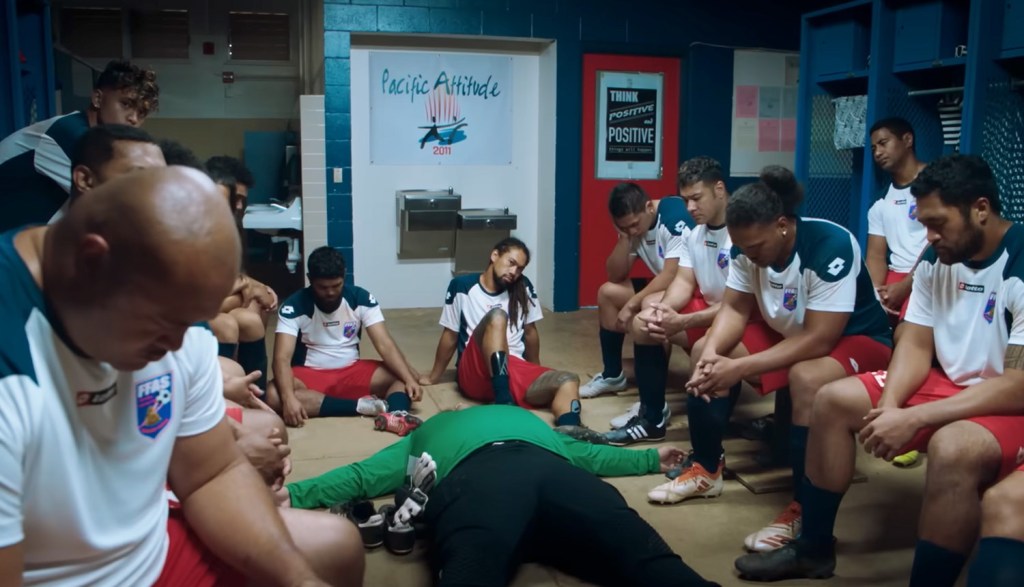
Scene from ‘Next Goal Wins’ Image: Searchlight Pictures

Anyone familiar with the bizarre and often complicated rules of international soccer (football) understands that many teams/clubs have to fund themselves. The American Samoa team is no different; all the team members work multiple jobs to fund the team they play on, and jobs on an island are not infinite. So it’s fair to wonder why anyone wouldn’t just give up and let the team die. If Waititi knew the answer, he left it out of the film. Playing soccer on an island is reasonable compared to the 1993 film Cool Runnings, about a Jamaican bobsled team. If you’ve never seen it, I do recommend it for your watchlist, early 90s Disney that it is. In Cool Runnings, you didn’t have to wonder why those teammates wanted to do the impossible, what drove them, and what pushed them to improve. Or the simple fact that they collectively tried at all. The fact that the audience does about a soccer team, anywhere, shows how much Waititi missed the point of his own movie. 

I used to be a fan of the Chicago Bears, and I’ve seen Welcome to Wrexham, so I understand sticking with a team because of home team pride. What drives those to stick with the American Samoa soccer team doesn’t shine through in Next Goal Wins. Instead, it tries and poorly executes, making it about Thomas Rongen (Fassbender). He’s a terrible coach that no one wants, sent to a team no one takes seriously. On America Samoa, he’s oddly put in the position to get over himself while babysitting a team that can’t play. He’s so preoccupied with self-loathing and liquor that he doesn’t even notice they don’t fully understand how to play soccer. A team member, Jaiyah (Kaimana), takes pity on Rongen and helps him so he won’t quit them, too, while he views her as a surrogate daughter for his own whose phone calls he keeps missing. It’s the most self-esteem and character development in the whole film, and it’s absolute bullshit. The depiction of Coach Rongen in this film is the opposite of the man in real life. When adapting something to the screen, there has to be room for artistic license, but that’s not the same thing as what Waititi did in this film regarding Rongen’s character. 

Michael Fassbender in ‘Next Goal Wins.’ Image: Searchlight Pictures via theguardian.com

I wanted to see this because Michael Fassbender was in it. They can’t all be winners. Fassbender alone isn’t enough to save this film from itself or Taika Waititi. Next Goal Wins isn’t redeemable because it lacks a clear direction and is demonstratively insulting to those it’s based on. It’s easy to say a film like that has no place on anyone’s watchlist. If you’re genuinely interested in the American Samoan soccer team or the 2001 game, watch the 2014 documentary instead.

  • A Pen Lady

Directed: Taika Waititi  Rated: PG-13  Runtime: 1h 44m  Studio: Searchlight Pictures  Screenwriter: Taika Waititi, Iain Morris  Cast: Michael Fassbender, Kaimana, Oscar Kightley, Elisabeth Moss

Film Critic, Movie Blog, Movie Reviews

Madame Web (2024)

Not every character who has graced the pages of a comic book needs an origin story. Many characters can be fleshed out from page to screen successfully when their tale is interwoven with another’s. The back and forth, like the ebb of the tides, is a manner of storytelling that (when done correctly) creates intrigue, character development, a good pace, and investment in the unfolding story. Sony’s Madame Web is absolutely none of these things! 

In Madame Web, the main character is Cassandra Webb (Johnson), a paramedic partnered with Ben Parker (Scott). Yes, that Ben Parker. The film thinks it’s set in 2003. However, multiple pop culture references throughout the film indicate that research and continuity meant nothing to the movie’s creators. So, let’s stick with 2003. While Ben’s character is largely inconsequential to the film, it’s a nice nod to his character being depicted by someone other than an old man. 

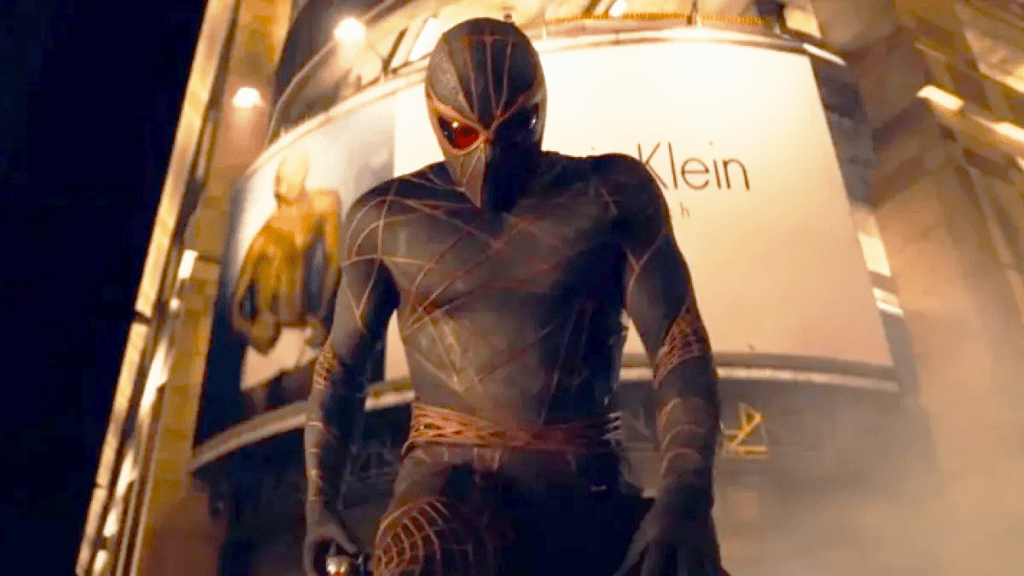
The hot mess of a storyline centers around Cassandra, aka Cassie, trying to save three teenage girls, Julia (Sweeney), Anya (Merced), and Mattie (O’Connor), from a man in a black bodysuit, Ezekiel (Rahim). Spider-man doesn’t exist yet and won’t for a while, so I’m not saying spider-suit because it creates the wrong image in your mind. Ezekiel has powers and visions of the three girls above killing him one day, though, in his vision, they are much older and have powers of their own. To survive, he has to kill them first. No other motivation or explanation exists. There is also zero indication of how these three women will one day become versions of Spider-Woman. Putting the three of them in costumes for less than a minute of screen time and overhyping that in the trailer is nothing short of catfishing by the studio. 

Isabela Merced, Dakota Johnson, Sydney Sweeney, & Celeste O’Connor in ‘Madame Web.’ Image: Sony via hollywoodreporter.com

This story has no character development, thus no creation of intrigue of what will happen next to any of the characters, so you’re not invested in the outcome of any of them. This is all on top of Cassie’s clairvoyant powers, which are so heavily visualized in the film, so there is no tension or suspense because you already know what will happen or not. 

Sony does what they want with the Marvel characters they own the licensing rights to. The problem is that despite doing films with these characters “in association with Marvel,” Sony doesn’t ever seem to care about how much better their characters could be or how much money they could make by not cutting off their own nose to spite their face. For example, in the comics, Madame Webb is a mutant. Given that Marvel will hopefully utter the “M” word at some point in a live-action project again one day, why would Sony create this origin story? Not all roads need to intersect, but why try and fix what isn’t broken? Cassie’s origin in Sony’s telling undermines the iconic and older origins of Peter Parker’s Spider-Man. Considering how well each iteration of his storyline has done for Sony over the last twenty years, it’s not a leap to wonder why.

Dakota Johnson in ‘Madame Web’ Image: Sony via ImdB.com

Rahim’s Ezekiel is the primary source of terrible audio dubbing throughout Madame Web, though he’s not the only character. So, in films, when it’s too loud to catch a line an actor has said, or when it gets muddled during an action sequence, actors go into a studio after the fact and re-say their lines so they are clear and understandable. Good audio editors will add them and match the words with the mouth movements, and the audience is none the wiser except when it’s not. Even worse is when the studio is too lazy or cheap to reshoot the scene in question when that doesn’t match up, or the lines are outright changed long after the scene has been shot. In foreign films, I get it. When it happens in the original language of the project, no. 

Holding up Ezekiel to every other actor who has depicted a Marvel villain associated with Spider-Man, he sucks. There is no comparison between him and William Dafoe or James Franco’s Goblins. Madame Web’s attempt at a bad guy is a first-year film school lesson on what not to do. Madame Webb as a character should have been performed by someone able to play indifference well. Dakota Johnson gives off that vibe without any effort. As for the teenage trio, they run around with little to do than bicker. 

Tahar Rahim in ‘Madame Web’ Image: Sony via superherohype.com

Sony won’t, but Marvel should forget this film ever happened in terms of reusing characters and introducing them later into the MCU. Retcon this movie, relegate it to someplace in the multiverse no one will ever visit. Except to recast Sydney Sweeney as Felicia Hardy/BlackCat one day. Next to Morbius (another Sony/Marvel film so terrible I won’t even review it), Madame Webb is a hot mess unworthy of your time or higher brain functions and has no place on your watchlist. Sony really should stick to making TVs and audio speakers and not on filmmaking; it’s not where they shine.

  • A Pen Lady

Director: S.J. Clarkson  Rated: PG-13  Runtime: 1h 56m  Studio: Sony/Marvel Studios  Screenwriter: Matt Sazama, Burk Sharpless, Claire Parker  Cast: Dakota Johnson, Sydney Sweeney, Isabela Merced, Celeste O’Connor, Tahar Rahim, Adam Scott, Emma Roberts

Film Critic, Movie Blog, Movie Reviews

The Skeleton Key (2005)

“It can’t hurt you if you don’t believe.”

Have you ever been told a story by someone and impatiently waited for them to get to the point? Or, wondered what the context was to make it worth your time and worth caring about? We all have, even to the point that we avoid people who ramble on and on. It’s not that what they have to say isn’t interesting, but how they tell the story is confusing or boring. The Skeleton Key can be viewed as such a story. 

It’s a shame because once you get to the end of this movie, you understand what was explained previously (early on in the film) as very relevant, but the delivery is off. In any thriller, you want breadcrumbs, even false leads, but you want something to engage the audience and build up suspense. One could be forgiven for thinking the director constructed a poor story frame because of ineptitude. However, I posit it was done as a method for the audience to feel what the main character, Caroline (Hudson), felt. To be in the mindset of the protagonist. 

Caroline is a hospice caregiver working toward nursing school who leaves a facility to work as a live-in aid for a woman’s dying husband. Caroline cares so much that people don’t die alone; she ignores the warnings. Several other people have left the job posting, which pays $1,000 a week. It’s remote, the wife is deflective and rude, and the husband doesn’t actually seem like he’s dying. Mix all that in with some psychological swamp magic, and you have the setup for Skeleton Key.

Kate Hudson in ‘The Skeleton Key’ Image: Universal Studios via imdb.com

Part of getting into the mindset of the characters of this story for the director was filming on location in Louisiana. The atmosphere of the area, the house, would be a supporting character in a way for the cast to work off of. In a psychological thriller, I can see how that would help an actor’s performance. 

This role is a nice departure from the romantic comedies that Kate Hudson usually did when this film was made. It allowed her to flex her acting chops in a different manner, and it worked for her. Working alongside Gena Rowlands, John Hurt, and Peter Sarsgaard must have helped because they are all, respectively, amazing actors. John Hurt has only one line in the entire film; the rest is facial expressions and body language. He was an exceptional actor. 

John Hurt & Kate Hudson in ‘The Skeleton Key’ Image: Universal Studios via imdb.com

If you think of The Skeleton Key as a movie you turn your brain off for, ignoring logic for the duration of the film, it’s not a terrible way to spend almost two hours. It creates tension and suspense more than it scares. Considering the onslaught of horror/gore/thriller movies out there as a dime a dozen now and the mislabeling of most of them, it can be hard to find a film that fits what you are looking for as a viewer. I don’t like gore or over-the-top spectacle. What I appreciate is the buildup, suspense, and thrills with a twist. Something reminiscent of John Carpenter’s original Halloween or Alfred Hitchcock than Rob Zombie. To each their own. 

If you’re looking for a change of pace, something new to watch, or a new addition to a Halloween night movie line-up, you can’t go wrong with The Skeleton Key. It’s well written, if not purposefully ambiguous in the beginning, well acted, and has a good ending. If you go into seeing this knowing nothing about it, the more surprised you’ll be, which is how it should be: spoiler-free. So go ahead and add The Skeleton Key to your watchlist.

  • A Pen Lady

Director: Iain Softley  Rated: PG-13  Runtime: 1h 44m  Studio: Universal Studios Screenwriter: Ehren Kruger  Cast: Kate Hudson, Gena Rowlands, Peter Sarsgaard, John Hurt, Joy Bryant

Film Critic, Movie Blog, Movie Reviews

Blue Beetle (2023)

Some debate exists that franchise movies are what’s wrong with modern cinema, that they’ve poisoned the well of what a well-crafted story should be. That growing character arcs and constant leveraging of world-building should be reserved for television. While I could start with Star Wars as an example for the sake of that debate, I won’t. Instead, I’ll focus on the beast that is comic book adaptations. Enter DC’s Blue Beetle.

Blue Beetle is the second-to-last of the projects greenlit by the previous DC bosses at Warner Brothers. Based on how it did at the box office, it will not make its way into James Gunn and Peter Safran’s rebooting of DC projects within the studio. Perhaps I was naive, but I hoped they would get this movie right. That hope was in vain, like Wonder Woman 84.

If you’ve ever seen the TV series Young Justice, you can understand where I hoped they’d go with this film; with massive tweaking, sure, but an entry point for new and younger characters and stories. The origin story for that Blue Beetle is vastly different from the one in the movie. The movie version brings nothing new to the plot. An ancient alien artifact is found, and some evil family member who runs a powerful company wants to use it for evil and greediness. It’s a tired vehicle to introduce a character/plot; frankly, it’s insulting. If you’re going to use something that audiences have seen before (over and over again), you must add something to make it fresh. 

Xolo Maridueña as Jaime Reyes/Blue Beetle in DC’s ‘Blue Beetle.’ Image: DC via IMdB.com

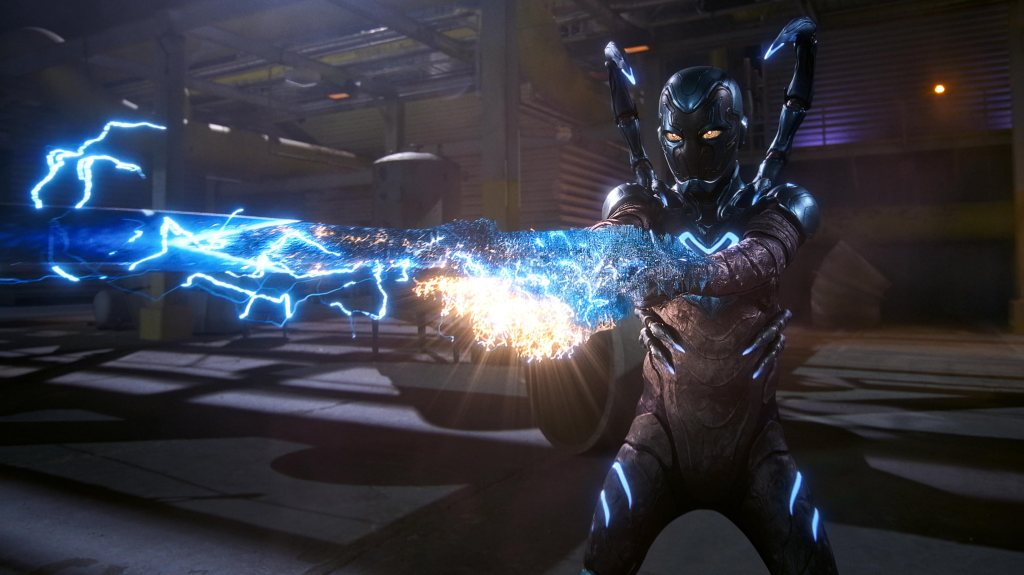
Blue Beetle is lackluster and cliché. The fight scenes are boring and predictable, and basing them off a video game didn’t transfer well to real life, in this case. If you are familiar with Jaime Reyes’s character, you know it takes him ages to get along with the Blue Scarab, and when it’s allowed to let loose on enemies, kicks ass. This version had kid gloves on and is still pulling punches. There is so much wasted potential here, like everything Warner Brothers touches regarding DC projects. The only positive I have is that the suit looks awesome.

Aside from the fact I’m not a George Lopez fan, who is just as predictably annoying as I’d expect as Uncle Rudy, nothing stands out to me about the performances of the rest of the cast. This is one of those instances where I won’t judge the cast on what I’d call mediocre performances, at best, because it’s not their fault the story sucks. Changing a bit of Jaime’s family dynamic for the film to include a larger Latino representation was (in theory) wonderful. Why not? Yet, when a movie ends up being terrible, it comes off more as a missed opportunity because audiences like to forget or rag on films that bomb.

Carapax (Raoul Trujillo) looks like a Transformers knock-off instead of a DC villain in ‘Blue Beetle.’
Image: DC via wegotthiscovered.com

My hope, if Gunn and Safran did reuse these characters in their reboot, would be to get to the origins of the Scarab and introduce that into the DCEU. There is so much potential with established characters (we don’t need an origin story for everyone) and their protégés. It would be a fantastic on-ramp to many aspects of what Warner Brothers has epically failed to do for decades, mainly because it moves away from Batman. I’m probably being too naive again, but DC makes it easy to buy into the ‘franchises killed good story writing argument.’ 

Blue Beetle is the cinematic equivalent of going to eat a hardboiled egg only to find it’s still raw because you forgot to turn the stove on. You will miss out on nothing by excluding Blue Beetle from your watchlist.

-A Pen Lady

Directed: Angel Manuel Soto  Runtime: 2h 7m   Rated: PG-13  Screenwriter: Gareth Dunnet-Alcocer  Studio: Warner Bros.  Cast: Xolo Maridueña, Bruna Marquezine, Becky G, Susan Sarandon, George Lopez

Film Critic, Movie Blog, Movie Reviews

Everything Everywhere All At Once (2022)

Director & Screenwriter: Daniel Kwan, Daniel Scheinert  Runtime: 2h 19m  Rating: Studio: A24  Cast: Michelle Yeoh, Stephanie Hsu, Jamie Lee Curtis, Ke Huy Quan, James Hong 

Metaphysical, Philosophical, Enlightened, Trippy, Emotional,

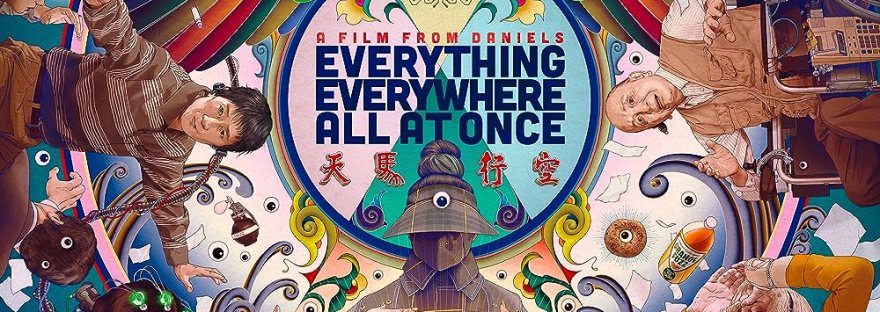
Everything Everywhere All At Once won the Academy Awards for Best Picture. It had a solid cast, great directing, and cinematography. The script was well-written, though the story was weird as flark to me. 

Michelle Yeoh is incredible (as always) as a Chinese female Dr. Strange knock-off named Evelyn. With hotdog fingers, googley-eyes, and repeated references to a multi-verse, it’s a pretty apt parallel. She is pushed through multiple points in the multi-verse, where she encounters various versions of herself, which are all vastly different from her, of course, where she alone has to save all universes by interacting with her other selves. All while during an IRS audit by Agent Beaubeirdre (Curtis). Who doesn’t want to experience an acid trip or mental breakdown while at the IRS? This is the most minor mind-bending aspect of EEAAO. 

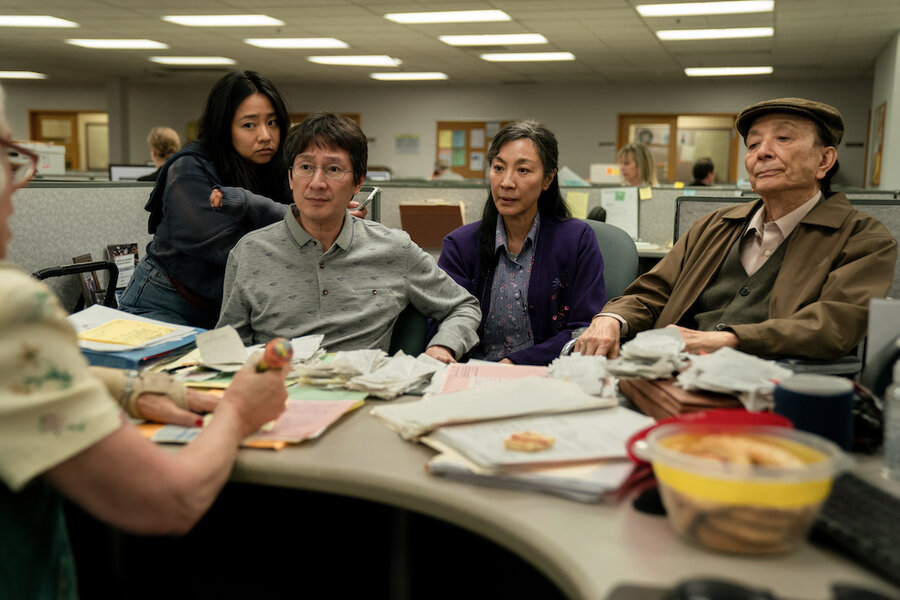
 Along the way, she encounters other versions of her husband, Waymond (Quan), daughter Joy (Hsu), and father, Gong Gong (Hong). All give fantastic multi-faceted performances. Playing one version of a character is one thing, but playing multiple versions of that character is another level of acting ability. 

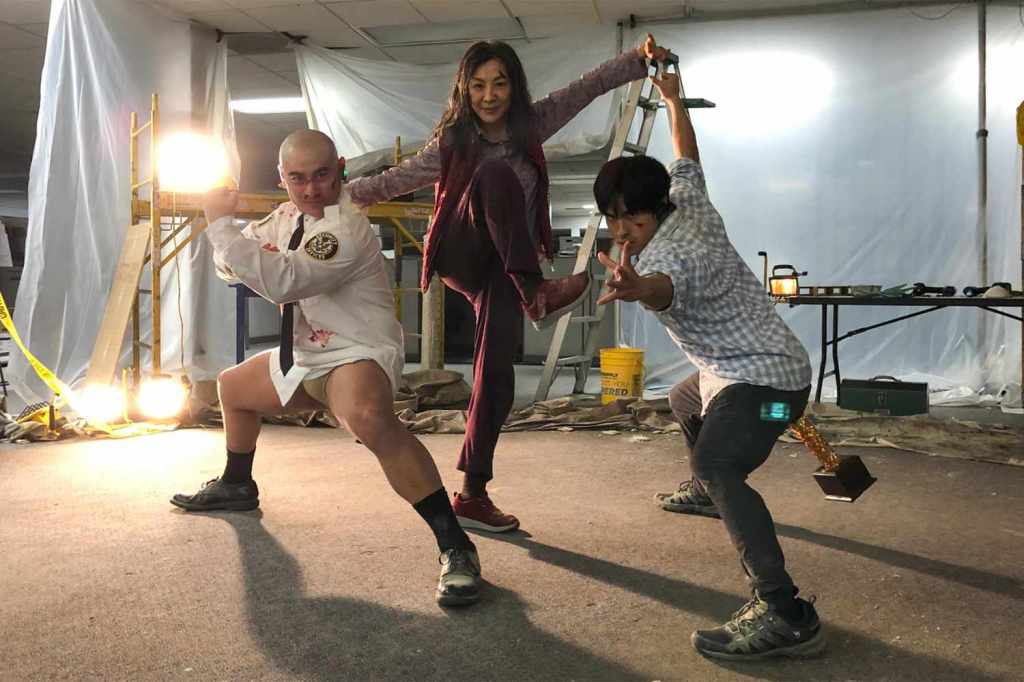
Brian Le, Michelle Yeoh, Andy Le in ‘Everything Everywhere All At Once.’ 
Image: A24 via entertainmentweekly.com

The set designs are believable in the mundane, like the laundromat and apartment, to vivid and surreal other places. At a point, a person explodes into confetti just by being touched. While that’s bizarre, it’s also creative. Most of this film is full of examples of eccentric displays of behavior that borders on off-the-rails fun, and where the hell is this going? What’s the point of all this? This is the point, the second act, where I was done. There is so much going on simultaneously with no sense of where most of it connects to something else. Madness; it’s just chaotic. 

It’s not lost on me that this chaos personified parallels the madness we all face in life. A whole host of random shit we encounter and thus must deal with where from the outside it looks like total anarchy, and only from our inside takes does any of it make sense or have meaning. That mixed in with a question of “what if” about our potential and how and where our choices in life lead us. Family is also a big theme in this wacky film. Like the protagonist, there’s nothing humorous about my life. While I wish I could find solace in this cinematic display to enlighten people, they are not alone; they’re all on a similar, trippy ride, I can’t. It’s not my cup of tea, and that’s okay.

Stephanie Hsu, Ke Huy Quan, Michelle Yeoh, & Jame Hong in ‘Everything Everywhere All At Once.’ 
Image: A24 Studios via Syfy.com

That’s the beauty of so many stories and points of view within a global film industry; everyone can tell a story that’s (ideally) meaningful in some way to some.

One of my first thoughts on this film was, what were the writers on when they wrote this? I thought the same thing about the original Willie Wonka movie with Gene Wilder once I understood what hard drugs were because I didn’t enjoy it as a kid. I can watch it now as an adult, and maybe I’ll come around someday, too, for Everything Everywhere All At Once. Despite my aversion to this movie, I’d still say put it on your watchlist because if the story doesn’t bother you, you’ll find a well-directed and performed two hours of entertainment. 

-A Pen Lady

Film Critic, Movie Blog, Movie Reviews

The Circle (2017)

Directed: James Ponsoldt  Runtime: 1h 50m   Rated: PG-13  Screenwriter: James Ponsoldt, James Eggers  Studio: STX Entertainment  Cast: Emma Watson, Tom Hanks, Patton Oswalt, John Boyega, Karen Gillan

The Circle is a film about an all-knowing, all-connected social media tech conglomerate with no history, making it no better than a bot. Except that we see it exists, it lives and breathes via the ideas and algorithms created by its creators, Eamon Bailey (Hanks) and Tom Stenton (Oswalt), who are anything but transparent. 

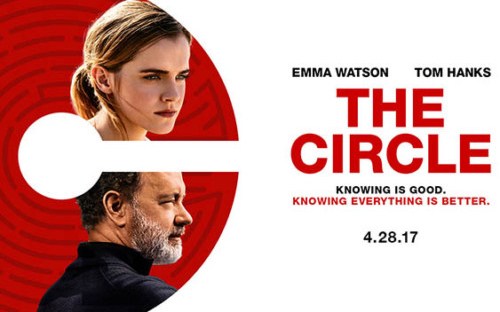
Based on the book of the same name, the setting is reminiscent of Apple’s headquarters. Yet, while watching this film, one can’t help but also think of Google, Facebook, and Amazon. It is a film that posits that “Knowing is good. Knowing everything is better.” The notion of privacy is stealing information from everyone else, so what’s the real agenda of a place like this and the people who run it? 

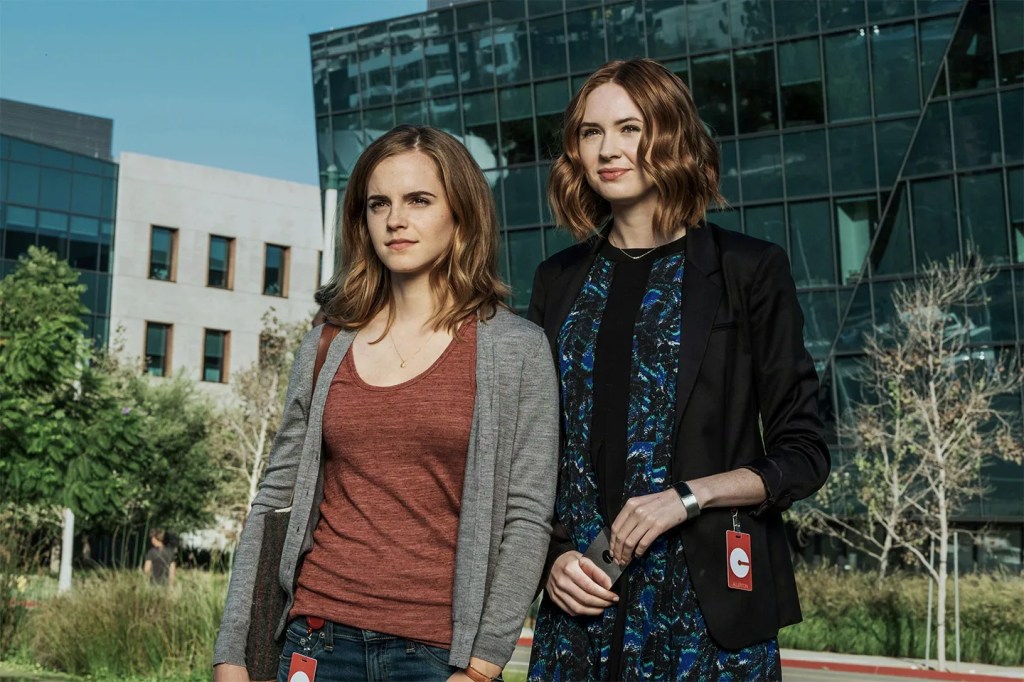
Emma Watson in ‘The Circle’. Image: STX Entertainment via IMdB.com

This film has a solid casting, and director James Ponsoldt squandered every one of their acting chops. It boggles the mind to cast actors with so much potential into roles pathetically void of depth or meaning. It’s akin to writing the first draft of a book and not fleshing out anything meaningful about each character besides their names, jobs, and what they look like.  

  Oswalt is a fantastic actor who does nothing more than stand around with a pissed-off look for the movie. Bill Paxton sits around and shakes. Karen Gillan’s Annie is nothing more than a once happy puppy (on Adderall) who, by the end of the film, is a hollow shell of a beaten dog with no real context except work burnout. Her character had the makings of a way for the director to peel back what The Circle does but backs off, forgetting the character entirely. All that pales next to Ty (Boyega), the creator of TrueYou, the app to end all other apps. TrueYou is The Circles’ most used feature; it renders every other app you use obsolete because it does it all. Except, like all well-meaning creations throughout history, it was implemented in a way Ty didn’t design it for. So Ty gets paid to sulk around the campus of The Circle. Why doesn’t he leave? For the paycheck, zero self-respect? Who knows, and the filmmaker isn’t interested in logic or backstory. Character development doesn’t exist here. 

Emma Watson & Karen Gillan in STX Entertainment’s ‘The Circle’ Image: Via vanityfair.com

I say story, but that’s being too generous; there’s the most basic story here, and the same with the plot. Considering this film is based on a novel whose author co-wrote the screenplay for this adaptation, it’s a wonder nothing meaningful made it to the screen. Having never read the book myself, this film gives me zero desire to do so. So what’s left? What should a viewer expect? Emma Watson’s Mae is a grateful young college graduate who gets a job at the best company in the world after a stint as a temp. Many people can relate to that and the overwhelming joy when starting. It’s here where we see the attempted point of this film: to show all that’s wrong with big tech, social media, and, by extension, the internet. The intersection of working for a company is your only life, productivity, and zero privacy. 

We give away little bits of our right to privacy when we create an account, download a new app, or subscribe to something. We expect our stuff not to be shared or sold without permission; we don’t consider the more significant implications in small bits. In The Circle, TrueYou does everything all apps used to do. Why use thirty apps when one will do? Streamlining is better, right? Would you give away your right to privacy when you see, all in one place, how much of you is actually out there? Do you understand the ramifications of using your personal information as analytics to sell you stuff, spy, or control you? It’s one area this movie gets right, getting the audience to think about how far is too far in balancing the right to privacy and transparency. 

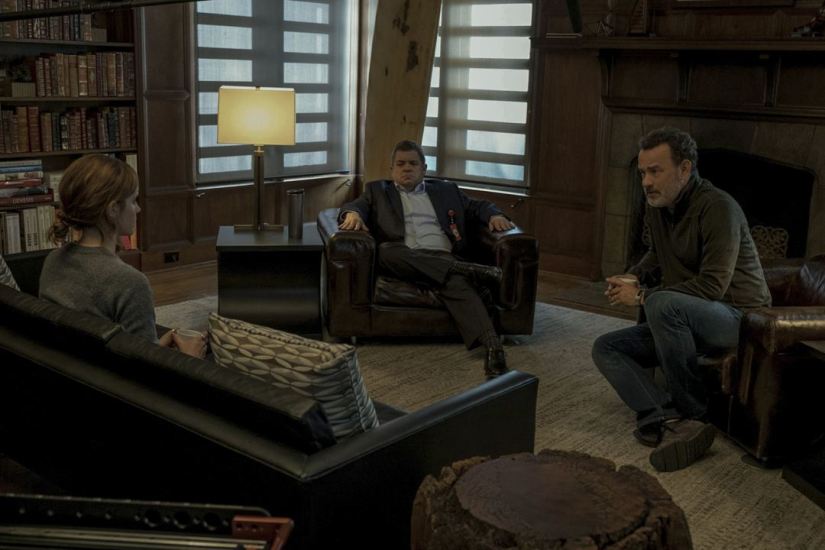
Emma Watson, Patton Oswalt, & Tom Hanks in ‘The Circle’ Image: STX Entertainment via IMdB.com

The Circle is by no means the best film ever made. It had so much potential to be meaningful, but it’s a peacock; it’s all flash and little substance. Having said that, I’d still say put it on your watchlist. Why? For all its missteps, it made me think. It made me ask questions and provided an opportunity to have a conversation. I like stories like that, even if it didn’t translate to the big screen so well. It’s worth seeing once. 

-A Pen Lady

Film Critic, Movie Blog, Movie Reviews

Quiz Show (1994)

Directed: Robert Redford  Runtime: 2h 13m  Rated: PG-13  Screenwriter: Paul Attanasio, Richard N. Goodwin  Studio: Hollywood Pictures  Cast: Ralph Fiennes, John Turturro, Rob Morrow, Christopher McDonald, David Paymer, Hank Azaria, Mira Sorvino

In celebration of the end of the SAG-AFTRA strike and a brand new year, I went way back for this week’s review. I first saw Quiz Show in 1999 during my video production class at the vocational school I went to in high school. At that point, this film was around five years old, and when you’re learning about the history of television, it’s a great example to use in class. 

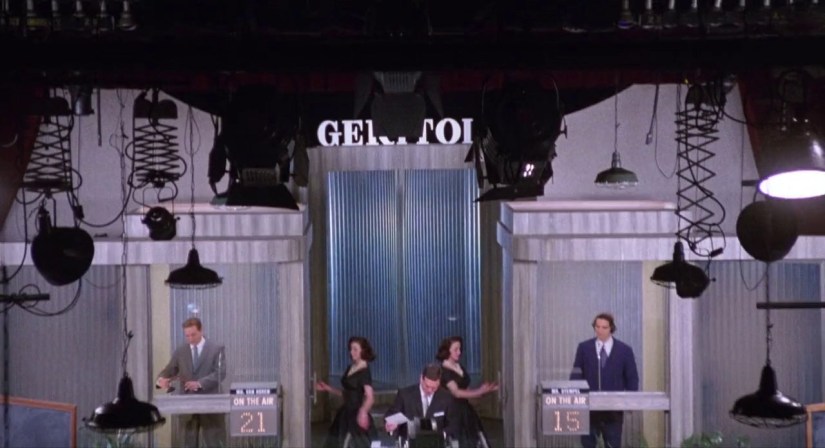
Quiz Show follows the real-life story of people involved in rigging quiz shows in the 1950s. The first television broadcast was in 1928, but it wasn’t until the later part of the 1940s and 1950s that TVs in the home started to become commonplace. As such, the newly established TV networks (only a handful) needed content to air. Game shows were a massive hit and a large portion of programming. One such show was called ‘Twenty-One.’

Most of Quiz Show follows the real-life events of the’ Twenty-One’ scandal but also takes artistic license. It is a movie, after all. It follows the rise and fall of contestants Herb Stempel (Turturro) and Charles Van Doren (Fiennes) after Dick Goodwin’s (Morrow) attention peaked after an article came out in the New York Times. Goodwin is a member of a Congressional oversight committee in Washington, D.C., that oversees television broadcasts. The burning question was, were contestants given the answers ahead of time?

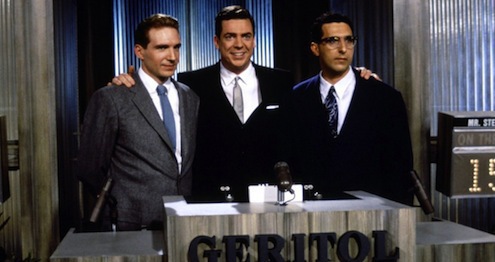
Ralph Fiennes, Christopher McDonald, & John Turturro in ‘Quiz Show.” Image credit via Metacritic.com

It is a well-written script, and compelling real-life events can make that easier to accomplish; Quiz Show is no exception. The story comes to life beyond just the salacious details of the scandal because this movie has an excellent cast. At its core, Quiz Show makes everyone question their integrity and morals. Is it fraud? Is it okay to lie to the audience about what they are watching when they think it’s all real? Where is the line? What is the crime? 

The quiz shows scandals of the 1950s, while not talked about in the film, did alter the course of TV broadcasting and advertising that still applies largely to this day. Laws were changed, regulations were created, and it is also the single reason commercials exist today. Over sixty years later, network TV and advertisements via commercials have stagnated in their purposes in the wake of streaming services and no-ad plans. When you can’t sell air time between show segments for companies to sell stuff to viewers, how do they make money when the viewer just wants to watch their show? Where is that balance that no longer exists? 

‘Quiz Show’ is A Hollywood Pictures film. Image Credit: Via IMdB.com

Network TV took over as the primary communication source from radio, as streaming and the internet have now done to TV. However, this transition is not as seamless or profitable, and in that, actors and writers are the ones questioning integrity and morals now instead of the government. They are the ones now saying, ‘This is not okay,’ and trying to figure out where the new line in the sand is on balance in this changing and expanding entertainment arena. 

Quiz Show is a wonderfully acted and directed story that uses its runtime to the fullest. It shows the dog and pony show of how early TV operated. Yet, it’s still an adept cautionary tale of the pitfalls of working in broadcasting (in an age where “reality TV” still exists, no less). An aged nugget in the cinematic archives, Quiz Show, is a movie everyone should have on their watchlist.

-A Pen Lady

Film Critic, Movie Blog, Movie Reviews

Ghost Ship (2002)

Directed: Steve Beck  Rated: Runtime: 1h 31m   Studio: Warner Bros. Screenwriters: Mark Hanlon and John Pogue  Cast: Julianna Margulies, Ron Eldard, Gabriel Byrne, Isaiah Washington, Karl Urban, Desmond Harrington, Alex Dimitriades, Emily Browning

Horror/gore films are not my thing. Most rely too much on the gore or over-sexualization of female characters. Few can balance gore and thrills with the needed suspense to make it genuinely gripping. Even worse is when these types of films fall back on overused troupes that make the story predictable and unfun to watch. In 2002, at least Ghost Ship felt original.

Is it the most gripping, suspenseful, and entertainingly intense story of horror films ever made, hardly. It gives off the same vibe regarding storytelling, stunts, and graphics as Resident Evil (2002)the first film based on a video game of the same name. Both also have a cast centered around a female lead. 

In Ghost Ship, Maureen Epps (Margulies) is a member of a salvage ship, the Arctic Warrior. A young man hires the crew to salvage an abandoned cruise liner. Once they find the ship out on the Bering Sea, things take a supernatural turn. 

It’s a ghost ship; throughout the movie, what happened to it is fleshed out via flashbacks. Some people don’t like the use of these in cinema, but it fits in the context of this film. It also adds to the eerie feeling the salvage crew experiences while aboard. While many won’t care for the film stylings of early 2000s films, if you can look beyond that, for the time, it was normal. By today’s standards, it’s either cheesy or terrible. 

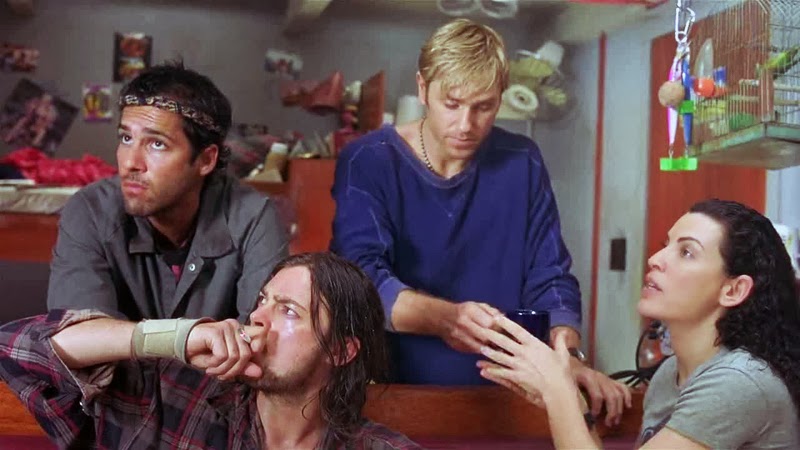
Alex Dimitriades, Karl Urban, Ron Eldard, and Julianna Margulies in ‘Ghost Ship’ from Warner Bros. Studios Image: via IMDb.com

Ghost Ship has intrigue, suspense, and believable enough camaraderie amongst the crew, even if none of them are profound. It’s just not that kind of film. Though the techno musical choices were par for the course for the time, it seems odd now. I’m not sure calling this film’ horror’ is accurate. A supernatural thriller with gorey parts, yes. 

Ghost Ship was released in theaters a week before Halloween. If you’re the kind of person who likes to have a Halloween movie marathon, then this film would fit right in. Even if you are not, it’s not so bad a movie that it can’t be watched once, so give it a place on your watchlist. 

-A Pen Lady

Film Critic, Movie Blog, Movie Reviews

The Forgiven

Director & Screenwriter: John Michael McDonagh   Runtime: 1h 57m Rated: R   Studio: House of Un-American Activities Cast: Ralph Fiennes, Jessica Chastain, Matt Smith, Ismael Kanoter, Saïd Taghmaoui

Set in the middle of nowhere of the Atlas Mountains in Morocco, a large group of rich white people attend a lavish weekend-long party. On the way, a local boy is run over in the dark, killing him. 

Ralph Fiennes is David Menninger, a jaded London doctor; and a drunk. Jessica Chastain is vastly underutilized as Jo Menninger, David’s malcontent wife and sometimes novelist. For that matter, Matt Smith’s Richard, the party’s host, is given little to work with too. It’s a shame because they both have fantastic acting chops. 

While Richard instructs David to be nice and seem sorry when the cops show up, he wonders why he should. The boy stepped in front of the car in the dark of night; how is it David’s fault? The boy is a nobody to him. But he relents as it’s Richard and his partner’s villa. No one wants the local cops looking too closely at the gay couple and their guest’s activities.  

Matt Smith and Caleb Landry Jones in ‘The Forgiven’ from House of Un-American Activities studio via Limelightmag.com

The trailer for The Forgiven implies way more drama and suspense than there is. That’s not to say the film isn’t filled with emotional subtext with gravitas and subtly. It is; coupled with racist, homophobic, and culturally inappropriate lines, which might be forgivable if the film’s story was more robust. After all, a story is all the events that, when appropriately arranged, show a straightforward plot. The plot is clear-ish, but it doesn’t answer the “why” about three prominent aspects of the film. Plot holes that ruin the whole point of a movie vex me. 

At one point, the dead boy’s father, Abdellah (Ismael Kanater), arrives at the villa with two other men, one a translator (Taghmaoui). It is customary (apparently) for David to come with Abdellah to bury the boy. David thinks it’s a shakedown, or that they’re ISIS, that they’re going to kill him—all of the above. Richard gets David on board, and off he goes into the middle of nowhere. Everyone else gives in to champagne-guzzling, cocaine-fueled frivolity. 

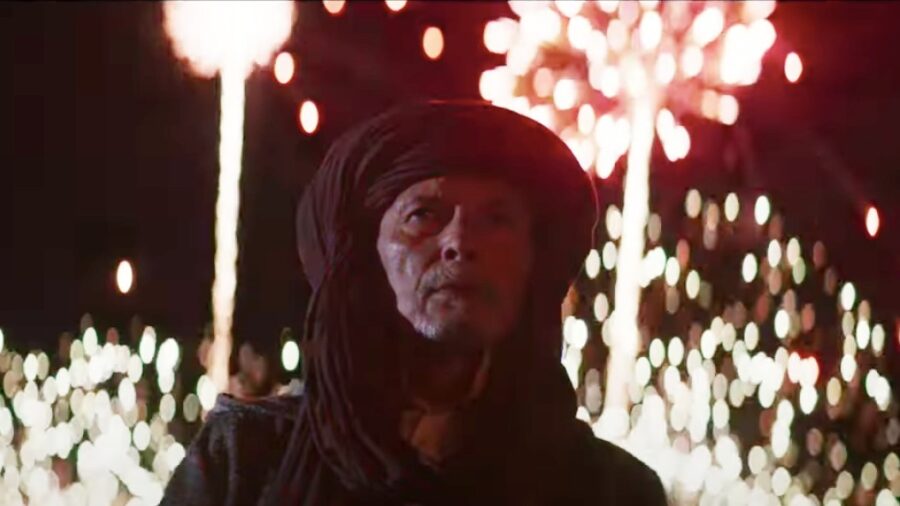
Ismael Kanoter in ‘The Forgiven’ from Roadside Attractions via MovieNation.com

It’s when David leaves that the audience gets a clearer, more purposefully depicted show of the cultural divide between these Western elitist twats and the Muslim desert locals. 

The weekend-long guilt trip finally gets to David—showing he’s not just a drunken racist is asking too much of even an actor with Ralph Fiennes skillset. Why? For this established character’s character, it’s utterly unbelievable! More likely, he’s channeled his deep need for a drink (after going without for a few days) into something other than anger/contempt. He still thinks he’s going to die. 

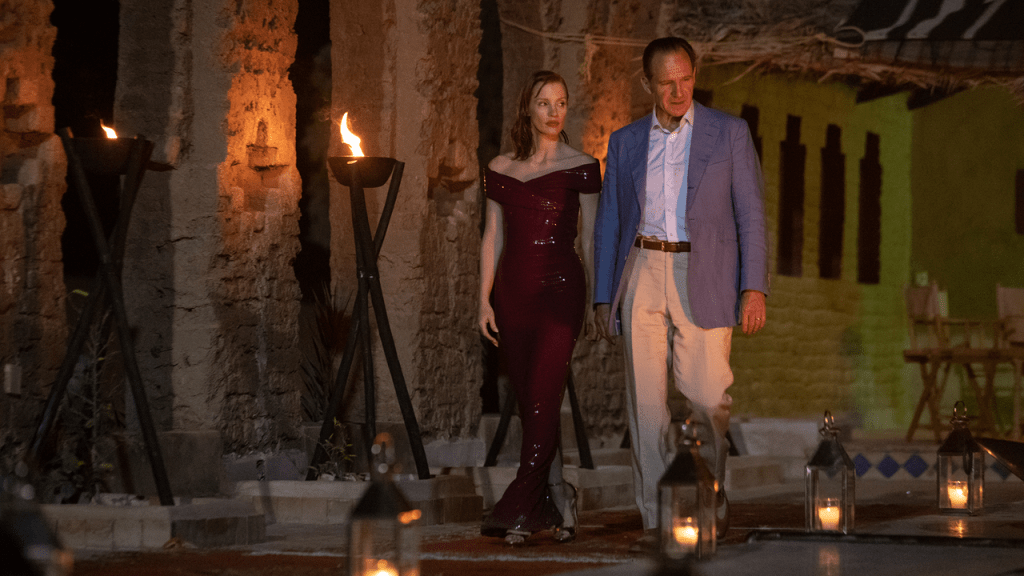
Jessica Chastain and Ralph Fiennes in ‘The Forgiven’ from Roadside Attractions via The Tribeca Film Festival

The ending doesn’t go with the rest of the film’s tone. The Forgiven is very much a juxtaposition of two cultures. Still, the film’s final act shifts too much to an artsy avant-garde feeling. That feeling does not blend well with the rest of the movie’s tone and established awful characters. 

The Forgiven had potential, but there are too many rough edges to make it worth watching, so skip putting it on your watchlist. 

-A Pen Lady 

Film Critic, Movie Blog, Movie Reviews

The Founder (2016)

Directed: John Lee Hancock  Rated: PG-13  Runtime: 1h 55m  Studio: TWC   Screenwriter: Robert Siegel  Cast: Michael Keaton, Nick Offerman, John Carroll Lynch, Linda Cardellini, Laura Dern, Patrick Wilson

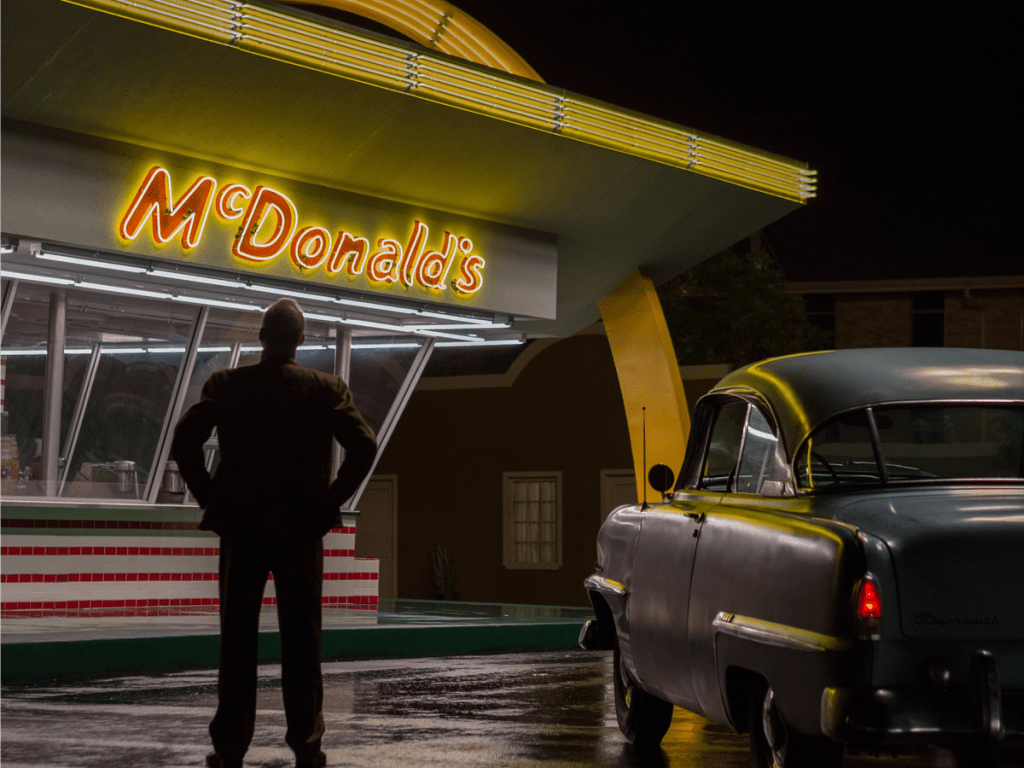
The Founder follows the life-changing meetup of Ray Kroc (Keaton) and the McDonalds brothers. Highlighting the rise of instant gratification, meeting consumerism, and the billion-dollar-a-year business it all gave rise to; under the golden glow of some arches. 

In 1954 Ray Kroc was a desperate, terrible salesman. He saw potential buyers as dollar signs, nothing more. His only sales pitch never connected to those he attempted to sell milkshake machines. Except for one place, it wasn’t because Ray was a good salesman. 

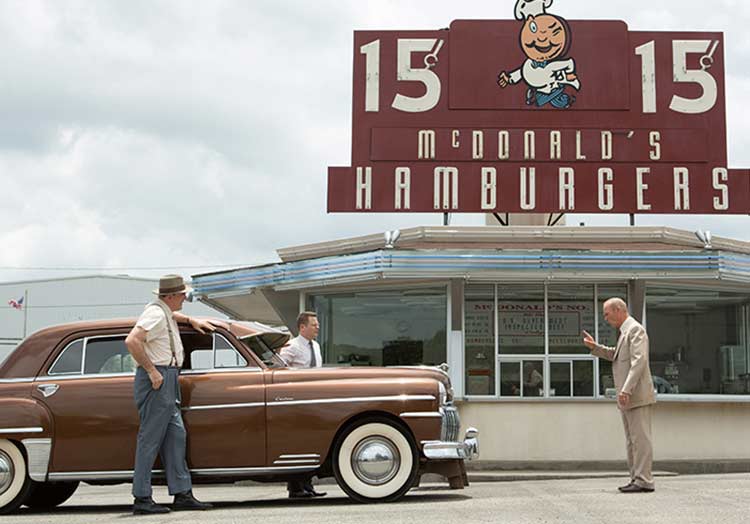
John Carroll Lynch, Nick Offerman, and Michael Keaton in ‘The Founder’ Image Credit: TWC via Setdecorators.org

That big sale was to Dick (Offerman) and Mac (Lynch) McDonald’s restaurant in Southern California, the co-owners of the legitimately first McDonald’s hamburger joint. They liked what they had, appreciated that it worked (with proper oversight), and were content with their creation. Ray, on the other hand, saw potential and lots of dollar signs. That’s part of the ‘American dream,’ right? Why be content when you can be rich?

In the film, Ray aims to get the brothers to franchise and to see things his way. But they always say no. Some see the brothers as stubborn fools, but they aren’t; greed wasn’t their thing. They were happy, and Ray couldn’t understand this because nothing satisfied him.

‘The Founder’ Image: TWC via beyond50radio.com

That’s what The Founder boils down to, an antagonist who didn’t understand contentment and protagonists who were blind to how deep ambition went, what Ray calls persistence.

The casting for The Founder is superb. Offerman and Lynch are so in-tune with their characters and how they play off one another. It’s seamless. Keaton does a marvelous job of playing well–the walking personification of a greedy dick. 

Michael Keaton in ‘The Founder’ Image: TWC via Vox.com

Films based on a true story are only sometimes well done, let alone accurate, but the essence of the characters in this movie is spot on. It’s an excellent example of a cautionary tale of what happens to the “little guy” when legal loopholes, someone else’s vision, and manipulation play a role in a takeover. 

Cinematically this film is well-directed, edited, and flows logically from one part to the next. It’s easy to watch and compelling enough of a story to keep viewers engaged. I found it interesting, and I don’t even like McDonald’s. I haven’t eaten there in almost 20 years. Not every bio epic is done well, but The Founder is and is worth a place on your watchlist. 

A Pen Lady

2/23/23